
Understanding the Timeline for Video Production: From Concept to Final Cut
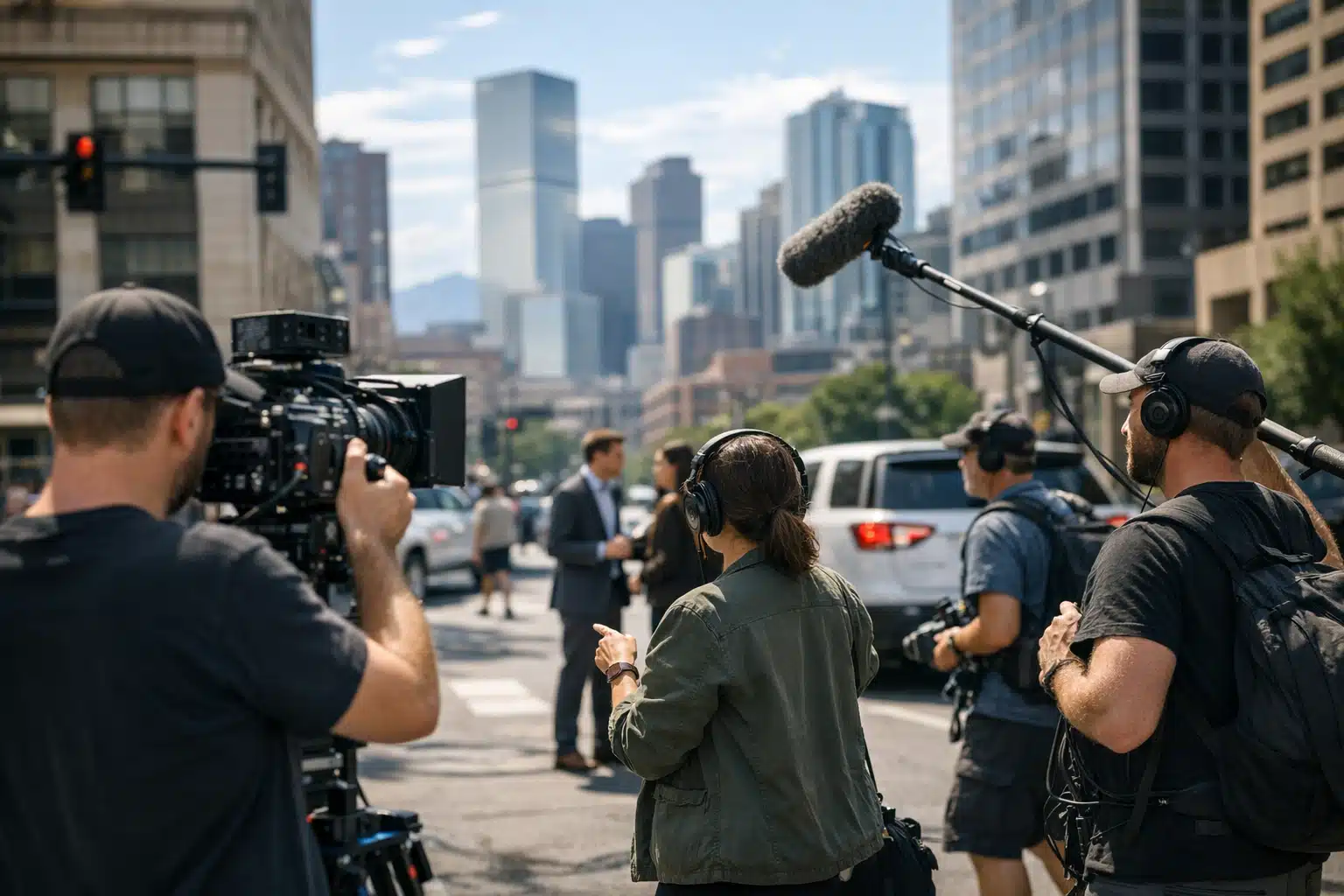
Denver businesses are experiencing a surge in video marketing demand, but many underestimate the time required for professional video production. Understanding the timeline from concept to final cut is essential for launching successful campaigns on schedule.
- Pre-production can take 40-60% of the total timeline, involving concept development, script writing, and location scouting.
- Production is the shortest phase but requires coordination, with weather often causing delays.
- Post-production typically spans 2-6 weeks, including editing and client revisions, which can extend timelines if not managed effectively.
The typical timeline for video production varies based on the project's complexity, but it generally includes several phases such as pre-production, production, and post-production. Quality video work requires careful planning and can take longer than expected, often exceeding initial estimates provided by clients.
Why Denver Businesses Need to Plan Video Production Timelines Early
Denver’s video marketing demand has grown 300% since 2020, yet most business owners underestimate how long professional video production timeline actually takes. Last month, a Denver tech startup called us expecting their corporate video ready in five days. Reality check: quality video work requires proper planning phases.
Understanding the concept to final cut process helps you launch campaigns on schedule. Colorado’s seasonal filming windows add another timing layer that affects your project timeline.
This breakdown shows exactly what happens during each production phase. You’ll know when to start planning and what factors influence your video’s completion date.
Pre-Production Phase: Where Video Production Timeline Begins
Pre-production consumes 40-60% of your total project timeline. This phase determines whether your video succeeds or struggles.

Week 1-2: Concept Development and Strategy
Your video concept starts with defining the core message. Denver craft brewery Ratio Beerworks spent two weeks refining their brand story before filming began. They tested three different concepts with focus groups.
Key deliverables include:
- Creative brief and messaging strategy
- Target audience analysis
- Distribution platform requirements
- Budget allocation across production phases
Week 2-3: Script Writing and Storyboard Creation
Scripts require multiple revision rounds. Denver real estate firm Kentwood Real Estate went through seven script versions before approval. Each revision refined their property showcase messaging.
Storyboards prevent costly shooting mistakes. They show camera angles, transitions, and visual elements before equipment rolls.
Week 3-4: Location Scouting and Casting
Colorado’s diverse landscapes offer unlimited filming locations. However, permits for Denver parks require 2-3 weeks processing time. Red Rocks Amphitheatre bookings need even longer lead times.
Casting professional talent adds another week. Local actors require audition scheduling, callbacks, and contract negotiations.
Production Phase: Capturing Your Video Content
Production represents the shortest timeline phase but requires the most coordination. Weather delays can extend Colorado shoots by several days.
Equipment Setup and Crew Coordination
Professional crews need 2-4 hours for lighting and camera setup. Multi-camera shoots require additional coordination time. Denver’s altitude affects equipment performance, requiring calibration adjustments.
Crew size impacts timeline efficiency:
- Solo operator: 8-12 hours per shoot day
- Small crew (2-4 people): 6-10 hours per shoot day
- Full production crew (5+ people): 4-8 hours per shoot day
Principal Photography Timeline
Most Denver business videos complete principal photography in 1-3 days. Complex projects requiring multiple locations extend this timeframe.
Denver Museum of Nature & Science shot their membership campaign across five locations over eight days. Weather delays pushed their mountain scenes back twice.
Indoor shoots offer more timeline control. Studio environments eliminate weather variables that plague outdoor Colorado filming.
Post-Production: From Raw Footage to Final Cut
Post-production typically requires 2-6 weeks depending on complexity. This phase transforms raw footage into your finished video.
Week 1-2: Rough Cut Assembly
Editors review all footage and create the initial rough cut. A 60-second promotional video might generate 3-4 hours of raw material. Selecting the best takes requires careful review.
Color correction becomes crucial for Colorado outdoor footage. Mountain lighting creates exposure challenges that require professional grading.
Week 2-4: Fine-Cut Editing and Graphics
Fine-cut editing includes:
- Precise timing adjustments
- Audio mixing and sound design
- Motion graphics integration
- Title and credit sequences
Graphics packages can add 1-2 weeks to your timeline. Custom animations require additional rendering time.
Week 3-4: Client Review and Revision Cycles
Plan for 2-3 revision rounds minimum. Denver startups average 4-5 revision requests per project. Each revision cycle adds 3-5 business days.
Consolidate feedback to prevent timeline extensions. Multiple stakeholders providing separate notes creates editing confusion and delays.

I’ve had the privilege of seeing his productions firsthand, and it’s clear that his heart and passion for what he does shine through in every project. Matthew is not just a talented creator—he’s an incredible businessman who is focused on helping other business owners stand out in the marketplace.
When you invest in yourself and your business with Matthew, the results are transformative. Not only will others see your business in a new light, but you’ll also feel re-energized and inspired about what you do.
I highly recommend Matthew and Expo Productions to anyone looking to create their next commercial spot or business showcase. He will ensure you and your business look amazing—because the truth is, he is amazing at what he does.
 Posted on Google
Factors That Extend Video Production Timelines
Colorado Weather Considerations
Spring snowstorms shut down outdoor filming without warning. Summer afternoon thunderstorms create daily scheduling challenges. Plan backup indoor shooting days for weather contingencies.
Winter filming requires additional lighting equipment. Shorter daylight hours compress available shooting windows to 4-5 hours maximum.
Client Decision-Making Speed
Delayed approvals extend every project phase. Establish clear approval deadlines during planning. Single point-of-contact reduces decision bottlenecks.
Committee-based approval processes add 1-2 weeks to typical timelines. Streamline your internal review process before production begins.
Technical Complexity Requirements
Drone footage requires FAA permits and weather-dependent shooting windows. Complex motion graphics extend post-production timelines significantly.
4K delivery formats double rendering and upload times. Plan additional days for high-resolution final deliveries.
Optimizing Your Video Production Timeline
Start Planning Early
Begin your video project planning 8-12 weeks before your launch deadline. Holiday campaigns need even longer lead times due to increased production demand.
Denver’s conference season (September-November) creates production bottlenecks. Book your video team early during peak business periods.
Prepare Assets in Advance
Gather brand assets, logos, and existing footage before production starts. Missing materials halt progress and extend deadlines.
Create comprehensive shot lists during pre-production. Detailed planning prevents forgotten scenes that require expensive reshoot days.
Build Buffer Time
Add 20-30% buffer time to your project timeline. Unexpected delays happen on every video production. Buffer time prevents missed launch deadlines.
Rush delivery services cost 50-100% premium fees. Planning ahead saves money and reduces stress.
Working with Denver Video Production Teams
Local production companies understand Colorado’s unique filming challenges. They maintain relationships with Denver-area talent and location contacts.
Experienced teams provide accurate timeline estimates based on your specific requirements. They factor in local permit processes and seasonal considerations.
Clear communication throughout each phase keeps your project on schedule. Regular progress updates help you plan concurrent marketing activities.
Understanding video production timelines helps you launch successful campaigns on schedule. Professional teams guide you through each phase while managing the complex coordination required.
Ready to start your Denver video project? Contact Expo Productions at 303-775-0248 or email matthew@expoproductions.com to discuss your timeline and production requirements. We’ll create a detailed schedule that meets your launch deadlines.
Sources
- U.S. Small Business Administration – Marketing and Sales Guide
- U.S. Bureau of Labor Statistics – Film and Video Editors and Camera Operators
- Federal Aviation Administration – Commercial Drone Operations
