
Behind the Scenes: What to Expect During a Video Shoot Day
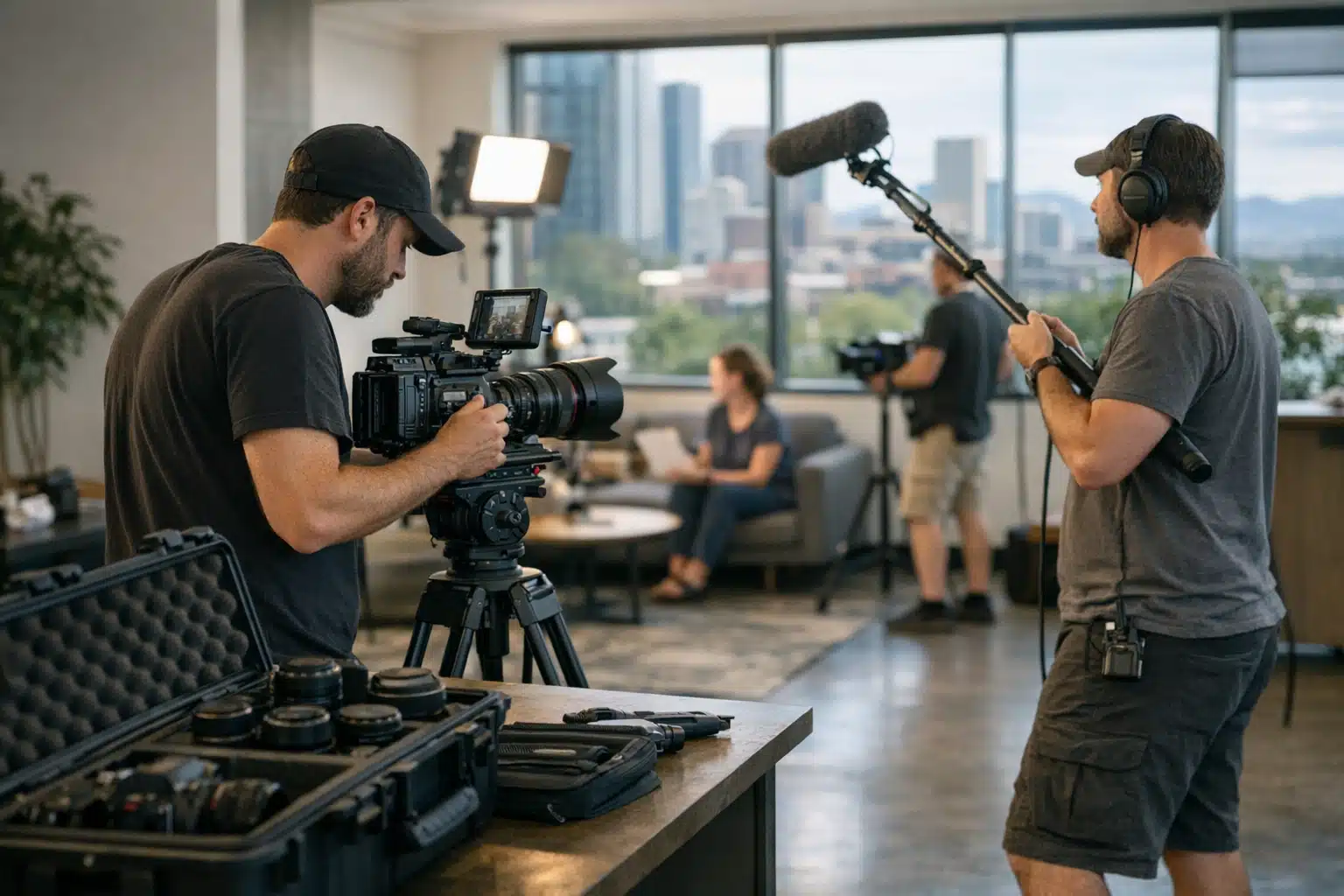
Denver's video marketing demand has surged, making video shoot days essential for businesses. Understanding the detailed process of a shoot day helps clients prepare and maximize their investment in professional videography.
- Setup begins 2-3 hours before talent arrives, with equipment checks and lighting design being crucial. Talent preparation includes makeup and wardrobe adjustments to ensure polished results on camera.
- Filming follows a structured sequence, starting with master shots and then moving to coverage shots, requiring multiple takes for performance refinement.
- Post-shoot, footage is reviewed and backed up immediately, with initial reviews guiding the editing process and ensuring efficient project timelines.
During a video shoot day, you can expect a structured schedule that includes setup, filming, and breakdown. The crew will arrive early to prepare equipment, followed by capturing various scenes according to the script. Communication is key, and being organized helps ensure the day runs smoothly and efficiently.
Denver’s video marketing demand has grown 340% since 2020, making video shoot days a regular part of business operations across Colorado. Understanding what happens during your video shoot day helps you prepare effectively and maximizes your investment in professional videography.
Your shoot day represents months of pre-production planning condensed into focused filming hours. Each phase serves a specific purpose in creating compelling video content for your brand.
Pre-Shoot Setup: The Foundation of Your Video Shoot Day
Setup begins 2-3 hours before talent arrives. Our crew transforms your chosen location into a controlled filming environment.
Equipment Staging and Testing
The cinematographer conducts equipment checks first. Cameras, lenses, and audio equipment undergo systematic testing to prevent technical failures during filming.
Backup equipment stays readily accessible. Denver’s unpredictable weather patterns make redundant systems necessary, especially for outdoor shoots near the Front Range.
Lighting Design Implementation
Lighting setup consumes the most setup time. Key lights, fill lights, and background lights require precise positioning to match the creative vision established during pre-production.
Colorado’s high altitude affects lighting calculations. The thinner atmosphere at 5,280 feet creates different light quality than sea-level locations, requiring exposure adjustments.
Talent Preparation and Direction
Talent preparation starts once technical setup completes. This phase sets the tone for the entire shoot.
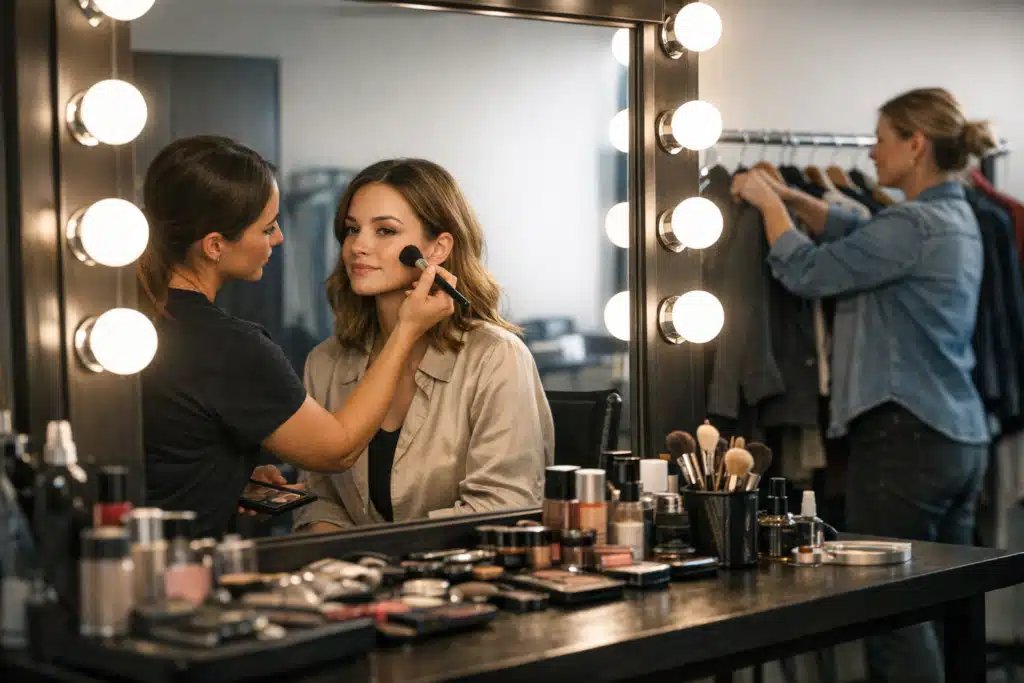
Hair, Makeup, and Wardrobe
Professional makeup application takes 45-60 minutes. HD cameras reveal details invisible to the naked eye, making skilled makeup artists valuable for polished results.
Wardrobe checks happen simultaneously. Certain patterns and colors cause problems on camera, requiring last-minute adjustments.
Script Review and Blocking
Talent reviews final script changes with the director. Even experienced speakers benefit from practice runs before cameras roll.
Blocking establishes movement patterns and camera angles. Marking positions with tape helps talent hit their marks consistently across multiple takes.
Behind the Scenes: The Filming Process
The filming phase follows a structured sequence designed for efficiency and creative success.
Master Shots and Coverage
Filming begins with master shots showing the complete scene. These wide shots establish context and provide editing flexibility later.
Coverage shots follow the master. Close-ups, medium shots, and detail shots capture different perspectives of the same content:
- Close-ups: Facial expressions and emotional reactions
- Medium shots: Body language and gestures
- Detail shots: Products, documents, or specific elements
- B-roll: Supporting footage that adds visual interest
Multiple Takes and Performance Refinement
Each setup requires 3-5 takes minimum. The first take establishes baseline performance. Subsequent takes refine delivery, timing, and energy levels.
Directors provide specific feedback between takes. “More energy in the opening line” or “pause longer before the call-to-action” guide talent toward optimal performance.
Managing Denver-Specific Filming Challenges
Denver’s location and climate create specific considerations during your video shoot day.
Altitude and Weather Adjustments
High altitude affects both equipment and people. Batteries drain faster in thin air, and talent may need more breaks to maintain energy levels.
Weather changes rapidly along the Front Range. Indoor backup plans become necessary when afternoon thunderstorms threaten outdoor shoots.
Noise Management in Urban Settings
Downtown Denver shoots contend with construction noise, traffic, and aircraft from Denver International Airport. Audio monitoring prevents unusable takes due to background interference.
Quiet periods between takes allow sound engineers to check audio levels. Clean audio capture saves significant time and money during post-production.
Crew Coordination and Communication
Professional video shoots involve multiple specialists working in coordination.
Department Responsibilities
Each crew member handles specific responsibilities:
- Director: Creative vision and talent direction
- Cinematographer: Camera operation and shot composition
- Audio Engineer: Sound recording and monitoring
- Gaffer: Lighting setup and adjustment
- Producer: Schedule management and logistics
Communication Protocols
Clear communication prevents costly mistakes. “Rolling” indicates cameras are recording. “Cut” stops recording and allows movement and conversation.
Hand signals supplement verbal cues when audio recording requires silence. Crew members position themselves outside camera range while remaining ready to assist.

 Posted on Google
Wrap-Up and Equipment Breakdown
The wrap phase begins once all planned shots are captured and reviewed.
Footage Review and Backup
The cinematographer reviews critical shots before equipment breakdown. This final check confirms all required content was captured successfully.
Footage backup happens immediately. Memory cards are duplicated to prevent data loss during transport.
Location Restoration
Crew members restore locations to original condition. Furniture returns to original positions, and all equipment marks are removed.
Final walkthrough ensures nothing is forgotten. Small items like batteries, cables, and memory cards easily get overlooked during busy wrap periods.
Post-Shoot Immediate Steps
Your video shoot day doesn’t end when cameras stop rolling.
Data Management and Transfer
Raw footage transfers to secure storage systems within hours of wrap. This immediate backup protects against equipment failure or data corruption.
File organization begins immediately. Proper naming conventions and folder structures prevent confusion during editing phases.
Initial Review and Notes
The director and producer conduct an initial review session. Notes about standout takes and potential issues guide the editing process.
Client communication includes wrap confirmation and timeline updates. You receive status updates within 24 hours of your shoot completion.
Timeline Expectations for Different Project Types
Video shoot day duration varies based on project scope and complexity.
Corporate Interviews and Testimonials
Single-person interviews require 4-6 hours including setup and breakdown. Multiple interview subjects extend the day proportionally.
B-roll capture adds 2-3 hours for workplace footage, product shots, and environmental scenes.
Commercial and Marketing Content
Marketing videos involve more complex setups and multiple scenes. Full-day shoots lasting 10-12 hours accommodate elaborate productions.
Location changes require additional time for equipment moves and new setups.
Client Involvement During Filming
Your presence during filming provides valuable input while allowing the crew to work efficiently.
When to Provide Feedback
Directors welcome feedback between takes and setups. Avoid interrupting during active filming unless safety concerns arise.
Content accuracy questions should be addressed immediately. Correcting factual errors during filming prevents expensive reshoots later.
Staying Out of the Way
Designated client viewing areas keep you involved without interfering with crew operations. These positions provide clear sightlines while maintaining equipment access.
Phone conversations and side discussions should happen away from active filming areas to prevent audio contamination.
A well-executed video shoot day balances creative vision with logistical precision. Denver’s dynamic business environment demands efficient production workflows that maximize your time investment while creating compelling content.
Ready to experience a professionally managed video shoot day for your Denver business? Contact Expo Productions at 303-775-0248 or matthew@expoproductions.com to discuss your video production needs and schedule your shoot.
Sources
- U.S. Bureau of Labor Statistics – Film and Video Editors and Camera Operators
- Colorado Office of Economic Development – Film & Television
- Wired – Video Marketing Growth and Business Impact
