
The Role of Music in Enhancing Your Video’s Emotional Impact
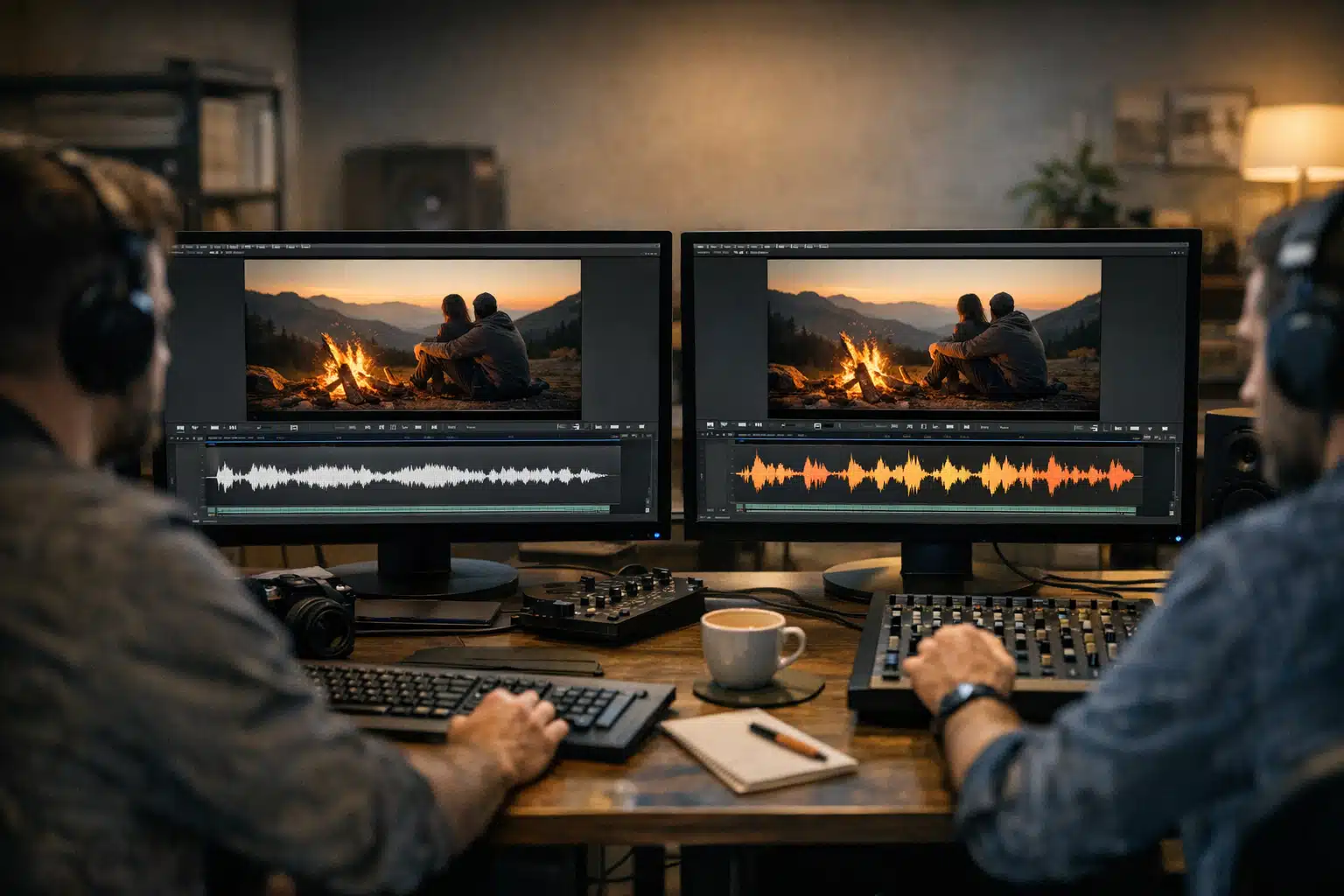
Music in video affects viewers faster than visuals, shaping emotional response before conscious thought kicks in. Expo Productions in Denver explains how to select the right track by matching tempo, key, and instrumentation to footage and editing rhythm.
- Music controls emotion through three levers - tempo sets energy level, major or minor keys shift mood, and instrumentation choices determine intimacy or grandeur.
- Denver's landscapes and seasonal light influence music selection - wide mountain shots need spacious tracks while interior scenes work better with rhythm-forward music.
- Common DIY mistakes include music too loud under dialogue, no sync between beats and cuts, and skipping licensing - which can result in muted videos on social platforms.
Music reaches viewers faster than any visual element and shapes how audiences interpret the same footage. A slow piano track can make a scene feel warm and reflective, while an upbeat folk song creates energy and urgency. This single audio choice determines whether your brand film resonates emotionally or becomes forgettable, making soundtrack selection a powerful storytelling tool.
Music in video reaches viewers faster than any visual. Our editing suite in Denver has shown us the same footage cut two ways: one clip with a slow piano track, one with an upbeat indie folk song. The story stays identical, but the emotional impact flips completely. That single choice decides whether a Denver brand film feels warm, urgent, or forgettable.
This post breaks down how music shapes viewer feeling, and how to pick the right track for your project.
Why Music in Video Drives Emotion Before Words Do
Sound bypasses conscious thought. A viewer hears a minor chord and feels tension before they register a single image on screen.
Research on film scoring confirms this. Music changes how audiences read facial expressions, pacing, and even product shots. The same actor can look hopeful or anxious depending on what plays underneath.
For Denver businesses, that effect matters. A brewery tour video set to a driving drumbeat feels like a celebration. The same footage under ambient synth feels like a documentary. Both work. They just tell different stories.
The Three Emotional Levers Music Controls
- Tempo — Fast beats create energy and urgency. Slow tempos build reflection and calm.
- Key and tonality — Major keys read as bright and optimistic. Minor keys pull toward sadness or suspense.
- Instrumentation — Acoustic guitar feels intimate. Full orchestration feels grand. Electronic textures feel modern.
Adjust one lever and the whole clip shifts mood. We test these against footage before locking any edit.
How Denver’s Scenery Shapes Your Music Choices
Denver footage carries its own visual weight. Wide Front Range shots and golden-hour light along the Platte River pull the eye outward.

Big landscapes pair with music that has space. A sparse piano or a slow string swell lets the Rockies breathe on screen. Cramming a dense pop track over a mountain vista fights the image instead of supporting it.
Interior shots behave differently. A RiNo warehouse studio or a LoDo restaurant reads better with tighter, rhythm-forward tracks that match close framing.
Seasonal Light and Sound Pairings
Colorado light changes hard across seasons. We match music to that shift.
- Winter shoots — Cold blue light and snow pair with quiet, reverb-heavy tracks.
- Summer festival footage — Harsh midday sun and crowds call for upbeat, percussive songs.
- Autumn foothills — Warm amber tones sit well under acoustic, folk-leaning music.
Denver’s 300 sunny days give us contrast-rich footage. Music that respects that light lands harder.
A Step-by-Step Method for Choosing Music in Video
To pick music for your Denver video, follow these steps in order:
- Name the single feeling you want. Pride, excitement, trust, nostalgia. One word. If you list four, the track will feel muddy.
- Watch your footage silent first. Note the natural pace of your cuts. A slow edit needs a slow track.
- Match tempo to your edit rhythm. Count roughly how fast shots change. Fast cuts want higher BPM music.
- Pick two or three candidate tracks. Never lock the first song you like.
- Cut a 15-second test against each. The right track makes edits feel inevitable. The wrong one makes you notice the music.
- Check the peak moment. Your best shot should land on a musical build or beat drop.
- Confirm licensing before final export. Skip this and a platform can mute your whole video.
An Example From a Denver Client Project
We produced a recruitment video for a Denver tech firm last spring. The founder wanted it to feel ambitious.
Our first cut used a triumphant orchestral track. It felt forced, like a movie trailer, and clashed with the honest interview tone.
We swapped in a building electronic track with a soft start. Suddenly the office shots felt like momentum, not hype. The client approved that version same day.
Licensing: The Part Most Denver Businesses Get Wrong
You cannot use popular chart songs in a business video without a license. Those licenses cost far more than most local budgets allow.
Instead, use royalty-free and licensed catalog music. Sources like Artlist, Musicbed, and Epidemic Sound cover commercial use. A single subscription clears music for client work.
Watch for two traps that catch Denver event planners:
- Social platform muting — YouTube and Instagram flag copyrighted audio and mute or block videos.
- Live event audio bleeding in — A band playing at your gala can trigger copyright claims on the recap edit.
We plan around this during production. When we film live music, we clear the songs first or plan a music-free cut.
When Original Scoring Makes Sense
Some projects earn a composed score. A flagship brand film or a repeated ad campaign benefits from music no competitor can use.
Original tracks cost more and take longer. For a one-time event recap, a catalog track works fine. For a brand’s signature video, a composer gives you ownership and distinction.

 Posted on Google
Common Music Mistakes in DIY Videos
DIY videos usually miss on music before they miss on camera work. A shaky shot forgives easier than the wrong song.
The most frequent errors we see from self-shot Denver business videos:
- Music too loud under dialogue. Voice should sit clearly above the track.
- One track running the full length. Long videos need shifts to hold attention.
- No sync between beats and cuts. Random editing against music feels sloppy.
- Ignoring the ending. A track that cuts off mid-note ruins the final impression.
Fixing these takes an editor who mixes audio, not just picks a song. That is where a Denver video partner saves your project.
Matching Music to Video Type
Different Denver video formats call for different music strategies.
Brand and Company Films
Build music alongside the story arc. Start soft, grow through the middle, peak on your mission statement.
Event Recaps
Match energy to the crowd. A conference recap needs momentum. A nonprofit gala needs warmth with an emotional lift near the end.
Social Media Shorts
Hook in the first two seconds. Use a track with an immediate beat, since viewers scroll past slow starts.
Product and Testimonial Videos
Keep music low and steady. The customer’s voice carries the emotional impact here, not the score.
Bringing It Together for Your Denver Video
Music decides how your video feels before a viewer processes a single word or shot. Match your track to one clear emotion, your edit rhythm, and Denver’s light. Clear your licensing early, and let the peak moment land on a musical build.
Expo Productions handles music selection, licensing, and audio mixing for Denver brand films, event recaps, and social content. Call or text us at 303‑775‑0248, email matthew@expoproductions.com, or visit https://expoproductions.com to plan your next project.
Sources
- American Psychological Association – Music and Emotion Research
- U.S. Copyright Office – Music Licensing and the Music Modernization Act
- YouTube Help – Copyright and Content ID Claims
