
Seasonal Event Videos in Denver: Timing Your Shoot for Maximum Impact
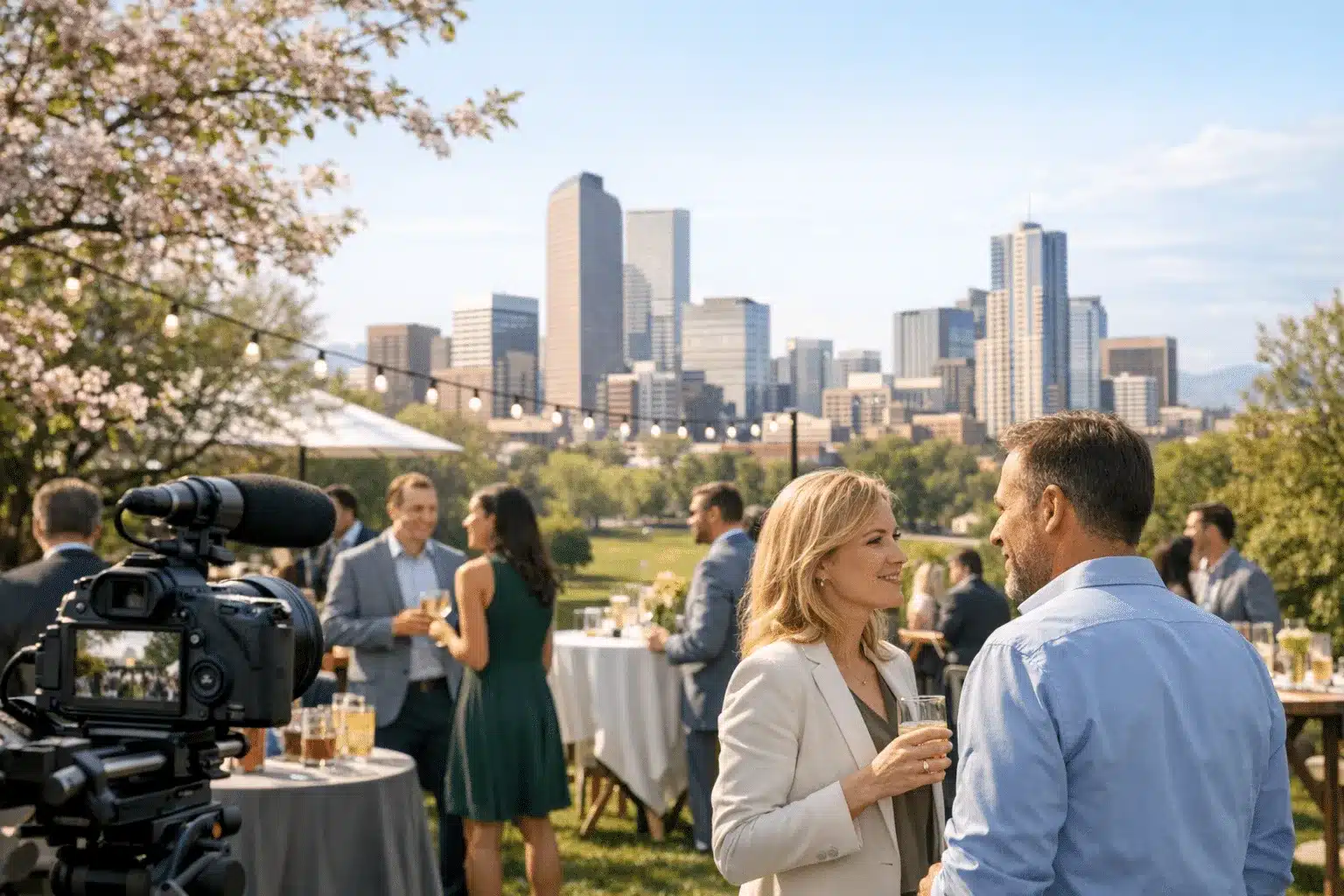
Denver's four distinct seasons significantly influence video production strategies, offering unique opportunities and challenges for capturing seasonal event videos. Understanding these seasonal patterns allows businesses to maximize their video investments while avoiding weather-related delays.
- Spring offers vibrant landscapes and ideal temperatures for corporate events, but weather can change quickly, requiring flexible scheduling.
- Summer provides long days and consistent weather, making it perfect for outdoor festivals, though heat management is crucial during shoots.
- Fall showcases stunning foliage and stable weather, ideal for luxury brand content, while winter presents challenges that can be creatively leveraged for unique video opportunities.
The best times to shoot seasonal event videos in Denver are during the city's dramatic seasonal changes, which offer unique visual opportunities. With 300 days of sunshine and varying weather conditions, strategic planning is essential to capture the most compelling footage throughout the year.
How Denver’s Four Seasons Shape Video Production Strategies
Denver’s dramatic seasonal changes create unique opportunities and challenges for seasonal event videos. The city’s 300 days of sunshine, sudden weather shifts, and diverse outdoor venues demand strategic planning to capture compelling footage year-round.
Smart Denver video timing can transform an ordinary event recording into powerful marketing content. Understanding seasonal patterns helps businesses maximize their video investment while avoiding costly weather delays.
Each season offers distinct advantages for different types of events and brand messaging. Professional videographers who understand Denver’s climate patterns deliver better results for clients across industries.
Spring Filming in Denver: Fresh Starts and Unpredictable Weather
Spring arrives late in Denver, typically beginning in mid-April. This season brings vibrant green landscapes and blooming trees, perfect for corporate events focused on growth and renewal.
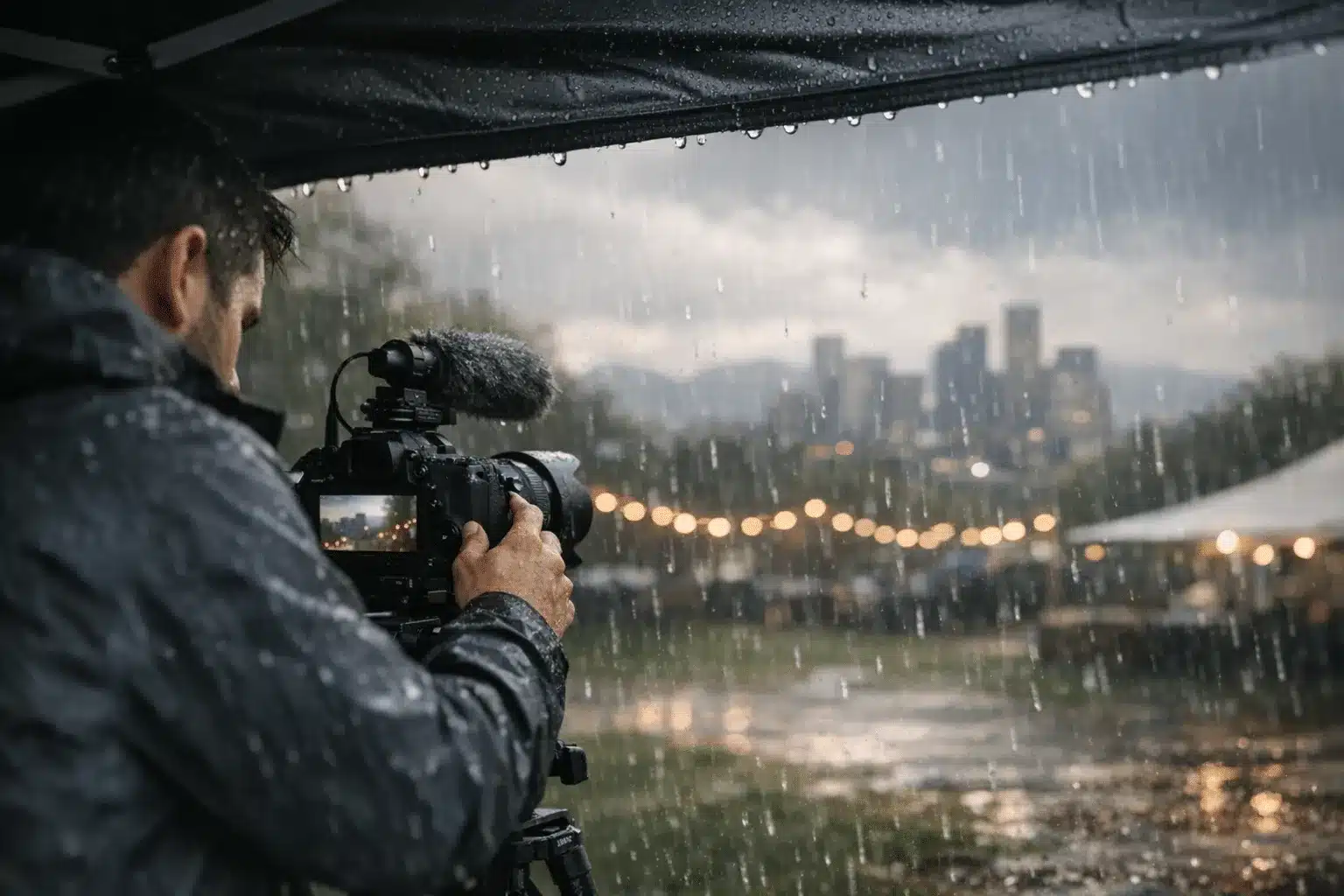
Optimal Spring Shooting Conditions
The best spring filming windows occur between 10 AM and 4 PM when natural light remains consistent. Denver’s spring weather changes rapidly, making flexible scheduling essential for outdoor shoots.
- Peak blooming period: Late April through mid-May
- Ideal temperatures: 65-75°F during midday hours
- Weather challenges: Sudden afternoon thunderstorms and hail
- Lighting quality: Soft, diffused light perfect for interviews
Tech companies and startups often schedule product launches during spring months. The season’s energy aligns with innovation messaging and fresh brand initiatives.
Spring Event Types That Film Well
Outdoor corporate events, graduation ceremonies, and wellness retreats benefit from spring’s renewal atmosphere. The season’s moderate temperatures keep attendees comfortable during extended filming sessions.
Garden parties and outdoor networking events provide natural backdrops without requiring elaborate set design. Spring’s soft lighting flatters speakers and reduces harsh shadows on faces.
Summer Production: Peak Season Advantages and Heat Management
Denver summers offer the longest days and most predictable weather patterns. Extended daylight hours from 5:30 AM to 8:00 PM provide maximum filming flexibility for seasonal event videos.
High altitude sunshine creates brilliant colors but requires careful exposure management. Professional crews adjust camera settings to prevent overexposure while maintaining vibrant outdoor footage.
Managing Summer Heat During Extended Shoots
Temperature management becomes critical during July and August when afternoon temperatures exceed 85°F. Smart scheduling protects both equipment and talent comfort.
- Schedule interviews before 10 AM or after 6 PM
- Use reflectors and diffusion panels during peak sun hours
- Plan equipment cooling breaks every two hours
- Position talent in shaded areas when possible
Festival videos and outdoor concerts thrive during summer months. The season’s high energy matches event atmospheres while providing consistent lighting conditions.
Summer’s Golden Hour Extended Window
Denver’s elevation extends golden hour from 7:00 PM to 8:30 PM during peak summer. This extended window allows more flexibility for capturing dramatic outdoor footage without rushing.
Wedding videographers and event planners leverage this advantage for ceremony coverage. The warm light enhances romantic atmospheres while maintaining professional image quality.
Fall Colors: Denver’s Most Cinematic Season for Brand Videos
September through October delivers Denver’s most visually striking filming conditions. Aspen groves turn brilliant gold while maintaining comfortable temperatures and stable weather patterns.
Fall provides the perfect backdrop for luxury brand content and corporate testimonials. The season’s rich colors elevate production values without requiring additional lighting equipment.
Peak Foliage Timing for Maximum Visual Impact
Aspen leaves typically peak between September 20th and October 5th in the Denver area. This narrow window creates high demand for outdoor shooting locations and professional crews.
Smart event planners book fall dates early to secure optimal filming conditions. The season’s popularity among couples and corporate clients creates scheduling challenges for last-minute projects.
- Early fall (September): Green and gold mixed foliage
- Peak season (late September): Full golden aspens
- Late fall (October): Bare branches and dramatic skies
Fall Weather Reliability for Event Planning
Fall offers Denver’s most predictable weather patterns with minimal precipitation. Clear skies and moderate temperatures create ideal conditions for extended outdoor filming sessions.
Corporate retreats and team-building events benefit from fall’s comfortable conditions. Attendees remain engaged during longer sessions without weather-related distractions.
Winter Filming Challenges and Unique Opportunities
Denver winters present both obstacles and creative opportunities for video production. Snow-covered landscapes create dramatic backdrops while shortened daylight hours require precise scheduling.
Professional crews adapt to winter conditions using specialized equipment and modified shooting schedules. Cold weather affects battery life and requires additional preparation time.
Winter Lighting Strategies for Indoor Events
Limited daylight hours from 7 AM to 5 PM shift focus toward indoor venues with controlled lighting. Conference centers and hotels become primary filming locations during winter months.
Holiday parties and year-end corporate events provide natural winter content opportunities. Festive decorations and indoor atmospheres require different lighting approaches than outdoor shoots.
- Arrive early to warm equipment before filming
- Use battery warmers for extended outdoor sessions
- Plan backup indoor locations for severe weather
- Schedule breaks to prevent equipment condensation
Snow Day Opportunities for Creative Content
Fresh snowfall transforms ordinary Denver locations into winter wonderlands. Smart videographers capitalize on these conditions for unique brand content and event coverage.
Ski industry clients and winter sports events rely on authentic snow conditions. These shoots require specialized equipment but deliver compelling seasonal messaging.

 Posted on Google
Seasonal Planning Strategies for Maximum Video Impact
Successful seasonal event videos require advance planning that considers Denver’s weather patterns and venue availability. Strategic timing decisions impact both production quality and final video effectiveness.
Event organizers who align their messaging with seasonal themes create more memorable content. Spring launches, summer celebrations, fall conferences, and winter gatherings each offer unique storytelling opportunities.
Budget Considerations Across Seasons
Peak seasons command higher rates for venues, vendors, and video crews. Fall foliage season and summer months typically cost 15-25% more than winter and early spring bookings.
Weather backup plans add production costs but protect against delays and reshoots. Professional crews include contingency options in seasonal filming packages.
Venue Selection Based on Seasonal Advantages
Each season favors different types of Denver venues for optimal video production. Outdoor amphitheaters excel in summer while historic buildings shine during winter months.
- Spring venues: Botanical gardens and parks
- Summer locations: Rooftop spaces and outdoor plazas
- Fall settings: Mountain lodges and aspen groves
- Winter spaces: Historic buildings and ski resorts
Technical Considerations for Denver’s Seasonal Conditions
Denver’s high altitude and variable weather require specialized equipment and techniques. Professional videographers adjust camera settings and gear selection based on seasonal challenges.
UV filters become essential during bright summer days while low-light equipment proves valuable during short winter days. Seasonal preparation ensures consistent video quality year-round.
Equipment Adaptation for Altitude and Weather
Denver’s 5,280-foot elevation affects equipment performance and requires specific adjustments. Battery life decreases in cold weather while overheating risks increase during summer shoots.
Professional crews carry backup equipment and climate-controlled storage solutions. These preparations prevent technical failures during critical filming moments.
Maximizing Your Denver Event Video Investment
Understanding seasonal advantages helps Denver businesses choose optimal timing for their video projects. Strategic scheduling improves production quality while managing costs and weather risks.
Professional videographers who specialize in Denver’s unique conditions deliver superior results across all seasons. Their local expertise transforms seasonal challenges into creative opportunities.
Ready to plan your next seasonal event video in Denver? Contact Expo Productions at 303-775-0248 to discuss how we can help you maximize timing and weather conditions for compelling video content that resonates with your audience.
Sources
- National Weather Service – Denver/Boulder, CO
- USDA Forest Service – Fall Colors
- National Renewable Energy Laboratory – Solar Resource Data
