
How to Plan Your Denver Wedding Video for Peak Summer Vibes
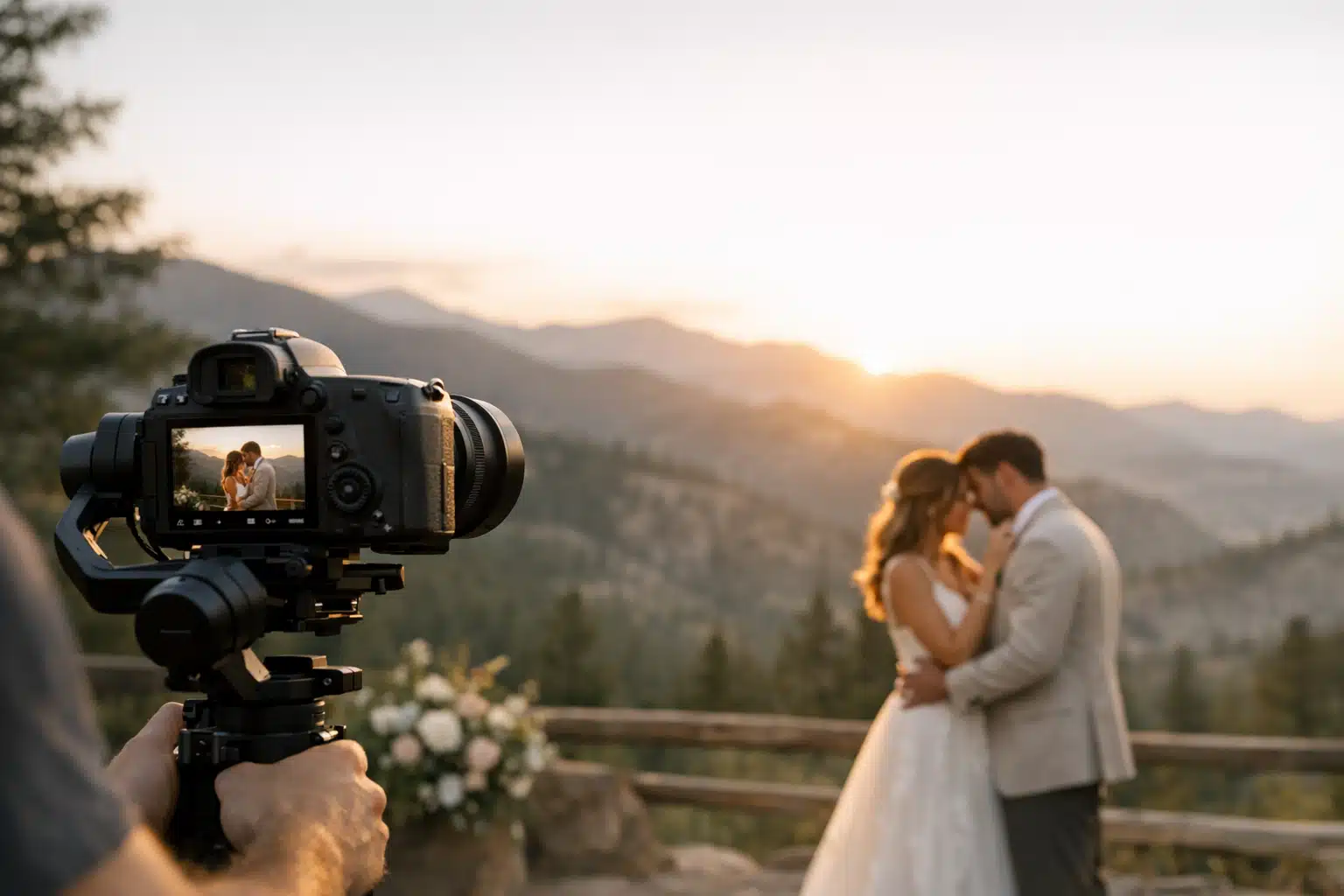
Expo Productions explains how to plan a Denver summer wedding video around the city's unique altitude light, afternoon storms, and mountain venue logistics to capture the best footage.
- Denver's 5,280-foot elevation creates harsh midday sun and blown-out skies, so couples should schedule ceremonies around 5 PM and reserve portraits for the extended golden hour that lasts until 8:30 PM in late June.
- Afternoon thunderstorms typically roll in between 2 and 4 PM but clear quickly - experienced videographers use radar, rain covers, and backup indoor plans to turn dramatic post-storm skies into stunning footage.
- Venue choice shapes the video significantly - mountain locations lose direct light early behind ridgelines while urban rooftops run hot and bright, requiring specific positioning and fill light adjustments.
Planning a Denver summer wedding video requires working around altitude light, afternoon storms, and mountain venue logistics. Schedule outdoor footage for morning golden hour or early evening to avoid harsh midday sun. Build buffer time for unpredictable afternoon thunderstorms that typically roll in between 2-4 PM, and scout mountain venues in advance to identify backup indoor filming locations.
Denver sees roughly 300 days of sunshine each year, and summer weddings pack the calendar from June to September. That sunshine looks great in photos, but a Denver summer wedding video demands real planning around altitude light, afternoon storms, and mountain venue logistics. Below you get a filmmaker’s playbook for capturing your day without fighting the elements.
Why a Denver Summer Wedding Video Needs Its Own Plan
Summer light at 5,280 feet behaves differently than it does at sea level. The sun sits higher and hits harder, creating blown-out skies and harsh shadows on faces.
Most couples book a videographer without asking how these conditions shape the footage. That gap shows up later, in squinting faces and washed-out ceremony shots.
We film across Denver every summer, and three patterns repeat: intense midday sun, fast-moving 3 PM thunderstorms, and a golden hour that stretches long past 7:30 PM in late June.
Altitude changes how your footage looks
Thinner air means less atmospheric haze to soften sunlight. Whites clip faster and skin tones flatten under a noon sun.
A camera operator who films at altitude knows to expose for skin and recover highlights in the edit. Someone flying in from Los Angeles may not adjust in time.
Timing Your Wedding Day Around Denver’s Summer Light
The single biggest lever you control is your ceremony start time. Get this right and half the lighting battle disappears.
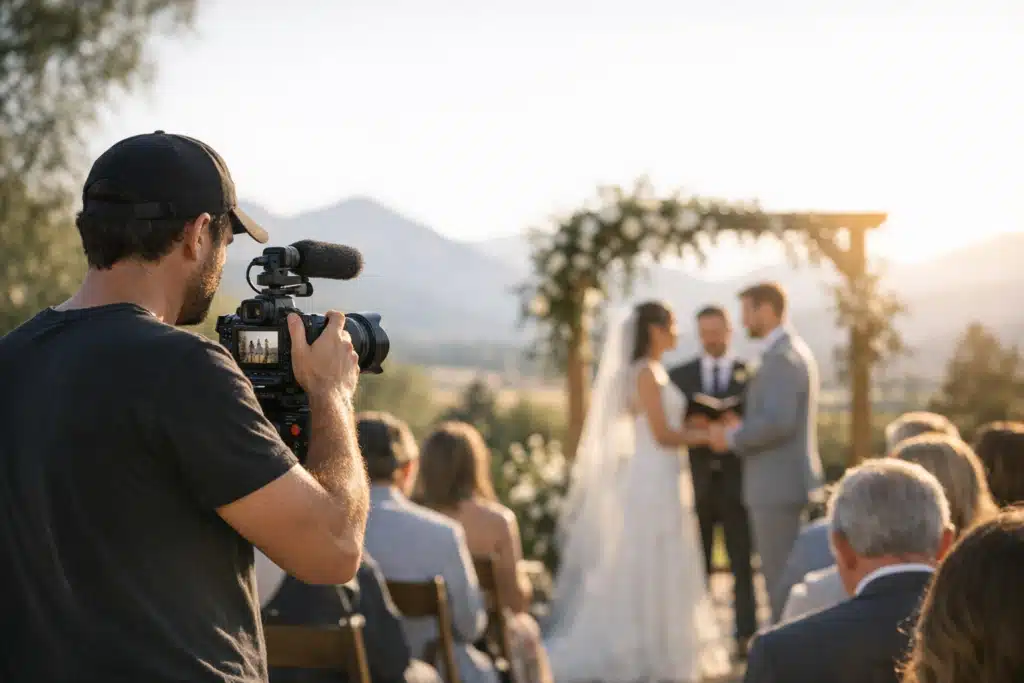
Here is the schedule pattern that produces the best footage for a Front Range summer wedding:
- Getting-ready coverage: Start filming 2.5 hours before the ceremony. Morning light through windows stays soft and flattering.
- Ceremony: Aim for a 5:00 or 5:30 PM start in June and July. The sun drops lower, shadows soften, and heat eases.
- Couple’s portraits: Reserve the 30 minutes after sunset dips behind the foothills. This window gives warm, directional light.
- Reception entrance: Plan for after 8:15 PM once ambient light fades and string lights take over.
A 2:00 PM outdoor ceremony in July puts your guests and your footage under the worst possible sun. We steer couples away from that slot every season.
Golden hour lasts longer here than couples expect
In late June, Denver sunset falls near 8:30 PM. Usable warm light runs from about 7:15 to 8:30 PM.
That means your portrait window sits later than a spring or fall wedding. Build your timeline backward from that light, not from a generic template.
Planning Around Afternoon Thunderstorms
Denver summers bring near-daily afternoon storms, most rolling in between 2 and 4 PM. They build fast over the foothills and clear within an hour.
These storms are a filming asset, not a threat, when you plan for them. Dramatic clouds and post-rain light produce footage no clear-sky day can match.
What a videographer does when clouds build
- Checks radar hourly on the wedding day, not the forecast from the night before.
- Carries rain covers for cameras and a backup indoor lighting setup.
- Scouts a covered angle at the venue during the walkthrough, so a shift indoors takes minutes.
- Waits out the cell when a portrait session gets interrupted, since Colorado storms move quickly.
At a Genesee Park wedding last July, a storm hit 20 minutes before the first look. We moved under a pavilion, waited eight minutes, and captured the couple against a broken-cloud sky. That footage became the film’s opening shot.
Choosing Denver Venues That Film Well in Summer
Venue choice shapes your video more than any single piece of equipment. Some locations fight the summer sun, others use it.
Mountain and foothill venues
Spaces like those near Evergreen and Golden give you evergreen backdrops and cooler air. The tradeoff is faster shadow falloff as the sun drops behind ridgelines.
Tell your videographer the exact ceremony orientation. A west-facing altar at a foothill venue loses direct light early, which changes the portrait plan.
Urban Denver venues
Rooftop and warehouse spaces around RiNo and LoDo bring skyline and brick textures. Concrete and glass bounce heat and light, so faces need fill or open shade.
A downtown rooftop at 6 PM in July still runs hot and bright. We position couples with the sun behind them and add reflected light on the shaded side.
Garden and park venues
The Denver Botanic Gardens and similar spaces give greenery and layered depth. Dappled light under trees looks beautiful but reads unevenly on camera without adjustment.
Wedding Video Planning: Questions to Ask Before You Book
Good wedding video planning starts with the right questions during your first call. Ask these before signing anything:
- Have you filmed at altitude in summer? Front Range light demands local reps behind the camera.
- What is your storm-day plan? A clear answer signals experience, a vague one signals risk.
- How many camera operators cover the ceremony? Two angles let you cut around a passing cloud or a guest standing up.
- What audio setup captures vows outdoors? Wind at open venues ruins sound without a lav mic and windscreen.
- When do we get the final film? Summer is peak season, and edit queues stretch long.
Professional filming versus a friend with a camera
A friend can capture memories, but Denver summer conditions expose the difference fast. Blown-out skies, muddy vow audio, and dead batteries in the heat are common results.
A trained team exposes for altitude sun, mics the ceremony, and carries backup power. That gap between usable and unusable footage widens under harsh summer light.

One of the things I appreciated most about Matthew was how completely unobtrusive he was throughout the entire day. I honestly barely knew he was there! Somehow, he managed to capture all of the important moments without ever making us feel like there was a camera in our faces. He worked seamlessly with our photographer and they made such a great team.
Matthew also has an incredible eye. Our finished wedding video is absolutely beautiful. He didn’t just capture our ceremony and reception…he captured the emotion, the energy and most importantly, the love in the room. Watching it truly feels like getting to experience our wedding day all over again.
We are so grateful Matthew was there to capture such an important day for us. We will treasure our video forever and cannot recommend him highly enough!
 Posted on Google
What a Denver Summer Wedding Video Costs
Pricing in the Denver market shifts with coverage hours, crew size, and edit length. Most full-day summer packages here fall in a mid-four-figure range.
Factors that move the number include:
- Coverage length: Six hours versus full-day getting-ready-to-reception coverage.
- Crew size: One operator versus two or three for multi-angle ceremony and reception.
- Drone footage: Foothill and mountain venues gain a lot from aerial establishing shots.
- Deliverables: A short highlight film versus highlight plus full ceremony and toasts.
Book early. Prime summer Saturdays fill six to nine months out, and the strongest local teams go first.
Prep Steps for the Weeks Before Your Wedding
To prepare for your Denver summer wedding video, work through these steps in the final month:
- Share a detailed timeline with your videographer, including ceremony orientation and sunset time.
- Schedule a venue walkthrough to scout covered spaces and portrait spots.
- List your must-have moments, like a private vow reading or a family member’s toast.
- Confirm the storm plan and a decision cutoff time for moving indoors.
- Prep an audio point person so the officiant gets mic’d without a scramble.
Hydration matters for altitude, too. Overheated couples and squinting guests read on camera, and shade breaks keep everyone looking fresh.
Let Your Video Match the Season
A summer wedding on the Front Range gives you long golden light, dramatic storm skies, and mountain backdrops few regions can match. Planning your timeline and venue around Denver’s altitude sun and afternoon weather turns those conditions into your film’s strongest moments.
Expo Productions films weddings across Denver and the foothills every summer, and we build each shoot around local light and weather. To plan your wedding film, call or text 303‑775‑0248, email matthew@expoproductions.com, or visit https://expoproductions.com.
Sources
- National Weather Service – Denver/Boulder Forecast Office
- NOAA – Thunderstorm Formation and Timing
- NOAA Global Monitoring Laboratory – Solar Calculator
