
Event Recap Videos: Shot Lists and Run-of-Show Templates That Always Work
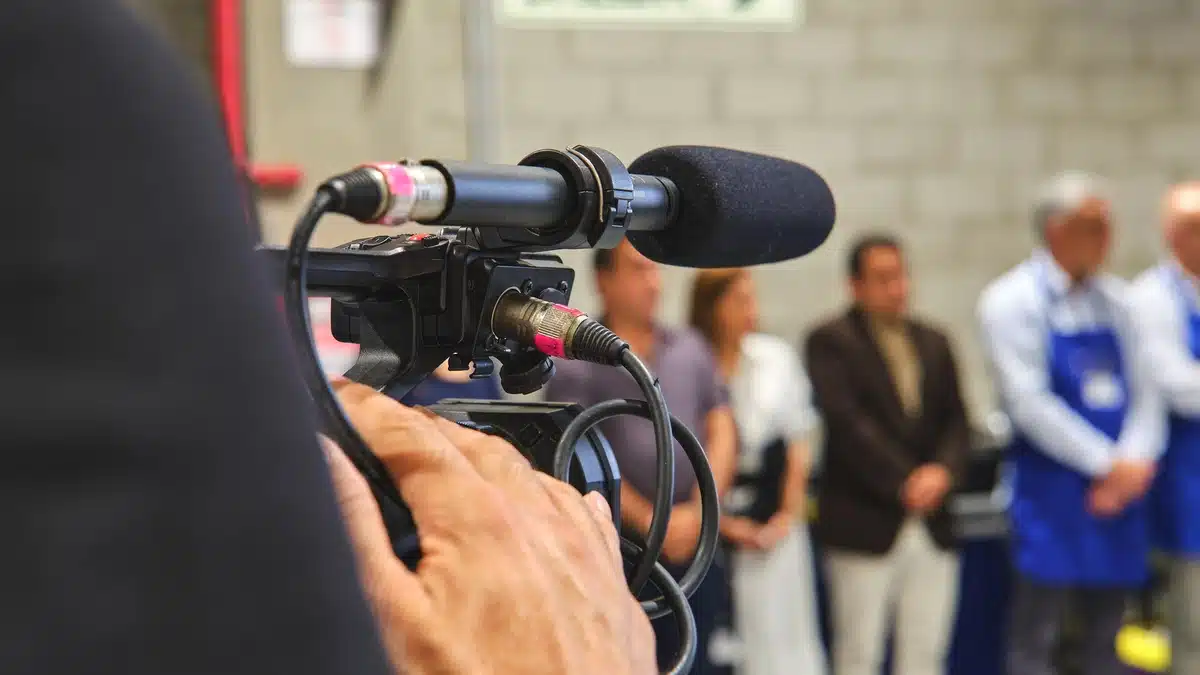
Successful event videos start with detailed planning from both the event planners and the production crew. Event organizers provide a clear event timeline that shows when key moments happen, when speakers or performances take place, and when breaks or transitions occur. This schedule allows camera operators to anticipate movements and position themselves for the best angles. Shot lists specify camera movements, lens choices, and lighting setups for each segment, ensuring that nothing important is missed.
For virtual events, precise coordination is even more critical. Event planners work closely with the production team to manage live feeds, switch between cameras, and monitor audio quality so that remote attendees experience the same level of engagement as those onsite. Editors later organize footage according to the event timeline, using cuts and camera movements that maintain pacing and highlight essential moments.
The combination of meticulous event planning, clear direction from the event organizer, and professional video production techniques directly impacts event success. Videos produced with this level of preparation not only capture the energy of the occasion but also serve as marketing tools, educational content, and promotional material that extend the life of the event beyond the day it happens.
Building a Comprehensive Pre-Event Shot List
A well-prepared shot list transforms chaotic event filming into a structured visual narrative. Professional videographers categorize footage into wide establishing shots that capture the entire venue, key moments at the podium, audience reactions, branding elements like logos and banners, and supplemental clips that link scenes together. Each entry specifies camera angles, recording duration, lighting levels, and microphone placement to maintain consistency and quality.
Time-stamped references from the event schedule ensure camera crews are in position before important activities begin. Essential coverage includes the building exterior, check-in areas, presentation slides, networking interactions, and sponsor displays. Additional footage captures environmental details, product demonstrations, and candid interviews with attendees, giving the final video depth and context.
Using a shot list clarifies responsibilities for each camera operator, preventing missed moments and maintaining comprehensive coverage. Digital checklists allow operators to mark off completed shots in real time, which guarantees that editors have all the necessary clips to assemble a polished final product. This methodical approach ensures that every key moment, from high-profile presentations to small interactions, contributes to a cohesive and engaging event video that effectively represents the experience.
Structuring the Run-of-Show for Smooth Production Flow
Coordinating multiple cameras, audio feeds, and lighting cues across a multi-hour conference requires meticulous planning, and the run of show serves as the central guide. This detailed timeline maps each segment with exact timestamps, camera assignments, and technical adjustments, specifying speaker names, segment durations, camera angles from wide shots to close-ups, and audio source transitions between podium microphones, wireless systems, and ambient room sound.
Production teams use the run of show to anticipate movements between the main stage, breakout rooms, and exhibition areas, adjusting lighting setups from keynote spotlights to panel discussion fills. The schedule integrates dedicated windows for B-roll capture, including audience reactions, venue exteriors, and sponsor branding. Buffer time between segments ensures smooth transitions, allowing for speaker changes, equipment resets, and last-minute technical tweaks, while critical moments such as product reveals or executive announcements receive extra attention with backup camera coverage and redundant audio recording.
Before the event, the technical director, camera operators, audio engineers, and lighting technicians conduct walkthroughs using the timeline to identify potential bottlenecks at stage entrances, cable pathways, and equipment switch points. This organized approach turns a complex production into a coordinated sequence of tasks where each team member understands responsibilities, timing dependencies, and communication protocols. The outcome is seamless transitions, consistent broadcast-quality coverage, and reduced risk of missing key moments during live or recorded events.
Coordinating Crew Roles, Gear, and Timing
Professional video production relies on seamless coordination between crew members, technical equipment, and precise scheduling to capture every important moment. Call sheets define responsibilities for camera operators, sound technicians, and lighting specialists, assigning each individual to specific positions throughout the venue to ensure optimal coverage.
Crew members are equipped with the necessary gear, including primary and backup cameras, wireless lavalier microphones, handheld stabilizers, and supporting accessories. Production coordinators check battery levels, memory card capacities, and other essential components to prevent technical interruptions during filming.
Timing schedules direct movement between key event segments, from wedding ceremonies and corporate keynote presentations to conference breakout sessions and reception activities. A-camera operators capture wide establishing shots that show the full scene, while B-camera teams focus on detailed portraits, audience reactions, and dynamic close-ups. Sound engineers monitor audio levels in real time, adjusting input gain when room acoustics shift or crowd noise increases.
Synchronization checkpoints verify timecode alignment across all devices, including RED cinema cameras, Sony mirrorless bodies, and external audio recorders. Backup operators maintain secondary positions to cover blocked sight lines or unexpected equipment issues, ensuring that unrepeatable moments such as vows, award presentations, or live performances are fully captured.
This structured approach to crew assignment, equipment management, and timeline adherence delivers complete event coverage while maintaining consistent broadcast-quality standards.
Editing Recap Videos for Emotion, Highlights, and Brand Storytelling
Video editors transform raw footage from events into polished narratives that reflect both the client’s vision and audience expectations. The editing process begins with organizing content by event segment, emotional tone, and visual quality, allowing editors to efficiently select the most compelling candid shots. Each story is structured with strong openings that immediately engage viewers, high points that capture the energy and highlights of the event, and conclusions that reinforce key messages while leaving a lasting impression.
Editors rely on the production schedule and detailed production plan to guide the flow of footage, ensuring that every segment aligns with the event agenda and overall event organization. Technical precision is critical: cuts are synchronized to music or pacing cues, color correction aligns with brand standards, and audio layers balance crowd noise, speeches, and ambient sound. Visual pacing is carefully managed to keep audiences engaged, while branding elements like logos and text overlays are integrated seamlessly without interrupting the narrative.
Professional event recap videos also consider contingency plans established during event management, such as alternative shots for unexpected delays or changes in the event location. Editors cross-reference the production timeline with the event platform to ensure coverage of key moments, whether on stage, in breakout sessions, or during networking activities. The final videos are optimized for platform-specific requirements, delivering a cohesive, engaging story that captures the essence of the event while meeting technical standards for YouTube, Instagram, TikTok, and other digital channels.
