
Interview Lighting 101: 3 Office Setups You Can Easily Recreate
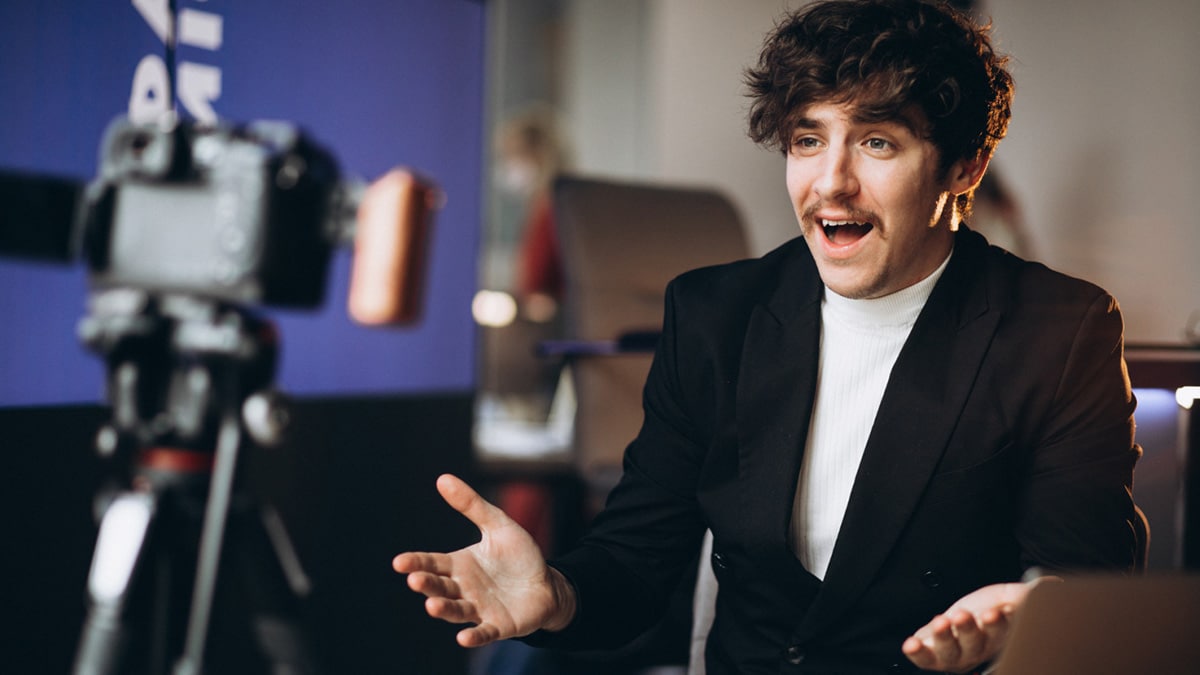
This guide discusses effective interview lighting techniques for office environments, emphasizing the importance of clear storytelling through proper lighting setups. The three-point lighting method is highlighted as the industry standard, along with practical lighting strategies that utilize existing office light sources.
- The three-point lighting method includes a key light, fill light, and backlight to create depth and clarity.
- Natural light from windows can be used effectively by positioning subjects at angles that soften shadows.
- Practical lighting incorporates existing office fixtures and portable LED panels to maintain a professional look without heavy equipment.
The three-point lighting method is a standard technique used in professional interviews that involves three light sources: a key light to highlight facial features, a fill light to reduce shadows, and a backlight to create separation from the background. This setup enhances visual storytelling by ensuring balanced and flattering illumination.
Professional interview lighting in office environments centers on shaping the scene so every frame supports clear storytelling. In a controlled setup, the three-point lighting method remains the industry standard because it uses a key light to define facial features, a fill light to soften contrast, and a backlight that adds separation from the background. Many videographers enhance this arrangement with a hair light to outline the subject’s head and shoulders, especially when working in mixed ambient light. Soft boxes or any soft source of light help create smooth, flattering illumination, while carefully chosen lenses reinforce the visual tone and depth of the final image.
Window-driven setups rely on natural daylight as the primary key light, placing the subject at an angle where the sunlight wraps gently around facial features. Reflectors bounce additional illumination into shadow areas, allowing crews to craft balanced lighting without heavy equipment. This method works best when ambient light remains stable throughout the shooting period, preventing sudden shifts that might disrupt consistency across multiple takes.
Practical lighting builds on whatever light already exists in the workspace. Ceiling fixtures, desk lamps, and accent lights become part of the scene, and portable LED panels provide supplemental brightness that blends with the room’s overall look. This technique adapts easily to tight offices, conference rooms, and open work areas where rapid setup and mobility matter. Each approach gives creators a reliable way to shape the visual narrative, ensuring the subject remains the focus while maintaining clarity, depth, and a professional atmosphere on camera.
The Classic Three-Point Lighting Setup
The three-point lighting system remains the foundation of polished interview production, and it adapts well to modern tools like a ring light, a collapsible light bank, or even improvised diffusers such as tracing paper and copy paper. The key light shapes the subject’s face and defines the primary direction of illumination. This main light sits at a 45-degree angle, creating natural highlights and soft gradients that give the image depth. Many creators diffuse their key light with tracing paper or copy paper when they need a softer look without carrying extra gear.
Opposite the key, the fill light reduces heavy shadows but maintains contrast. When a physical light isn’t available, a reflector or a negative fill card can control how much light bounces back into the shadow side. A negative fill card absorbs stray illumination to create stronger definition, giving filmmakers greater creative control over mood and contouring.
Behind the subject, the back light adds separation from the background. This light creates a subtle rim that outlines the head and shoulders, preventing the subject from blending into the environment. A collapsible light bank or any focused fixture can handle this role effectively, especially in offices where space is limited.
Once the lighting is shaped, the camera setting becomes the final step in refining the look. Proper exposure, white balance, and shutter speed ensure the lighting reads accurately on screen. Audio must also be considered, since interview scenes rely on clear, clean sound that matches the professionalism of the visuals. By combining intentional lighting choices, thoughtful camera adjustments, and reliable audio capture, creators deliver interviews that look polished, consistent, and visually engaging across any workspace.
Soft, Natural Office Light with Window Keying
Window lighting gives filmmakers a natural key light that produces flattering illumination without the need for electrical equipment. Positioning the subject at a 45-degree angle, about three to six feet from the window, keeps the light soft enough to avoid harsh facial shadows while still delivering strong, directional brightness. North-facing windows are especially valuable because they maintain consistent color and intensity throughout the day, making long interviews easier to film without noticeable lighting shifts. Large windows act like oversized softboxes, filling the scene with smooth, even light that requires minimal adjustment.
Direct sun, however, can overpower the frame and create sharp edges on the face. Diffusing that sunlight with a white shower curtain, bedsheet, or dedicated diffusion fabric turns harsh rays into a gentle, professional-looking glow. A reflector placed on the side opposite the window brightens the shadow areas and restores balance to the shot without flattening the image. Using a light meter helps filmmakers monitor exposure and make small adjustments by moving the subject closer or farther from the window as outdoor conditions change. This method allows creators to achieve high-quality, cinematic lighting using free and easily controlled natural light, especially in situations where carrying full lighting kits is impractical.
Practical Lighting for a Polished Corporate Look
Natural light shifts with the weather, the time of day, and the position of the sun, which makes it unreliable for interview setups that need consistent illumination. Practical lighting solves this problem by using the light sources already built into the office environment. Ceiling fixtures, desk lamps, and overhead fluorescents provide the foundation of the scene rather than obstacles to work around. This approach creates an authentic look that feels true to real corporate spaces, making it ideal for business interviews and training videos.
Producers position the interview subject directly under existing ceiling fixtures to establish an even base level of brightness. They then add a portable LED panel to control shadows and reveal facial detail without overwhelming the ambient light in the room. Matching color temperature becomes essential for professional-quality footage. Because most office lights range from 3200K to 5600K, a color meter helps identify the exact value so LED panels can be set to the same Kelvin number. When all sources match, the scene avoids unnatural orange or blue tints and maintains a clean, polished look on camera.
Production teams rely on practical lighting because it makes the environment appear genuine, provides a consistent visual style across multiple office locations, and speeds up the entire workflow. Battery-powered LED panels enhance this efficiency by eliminating cables, reducing heat output, and offering adjustable color temperatures for precise blending. This lighting method supports executive interviews, employee testimonials, and internal communication videos where high-quality visuals must fit smoothly into active workplaces without disrupting daily operations.
