
Wedding Videography vs. Photography: What Moments Video Captures That Photos Miss
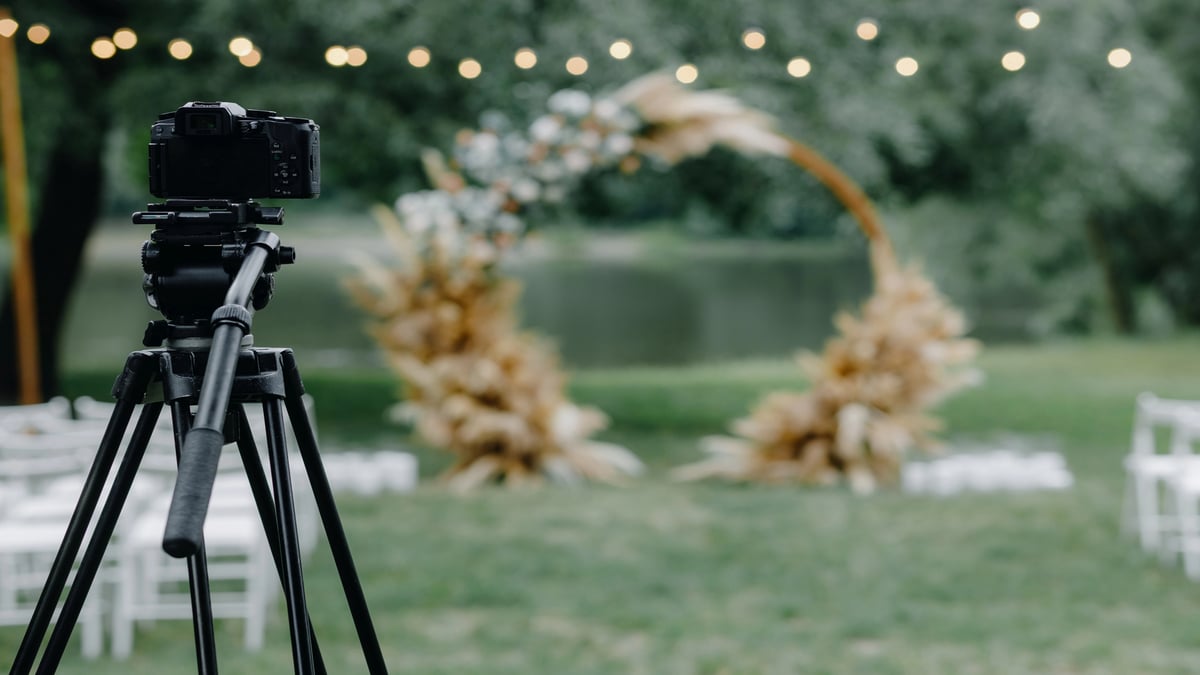
Wedding videography captures what photography cannot—the moving emotions, subtle gestures, and heartfelt sounds that define the most meaningful day in a couple’s life. While photos freeze a single frame in time, video reveals the living moments that unfold naturally—the bride’s deep breath before walking down the aisle, the laughter echoing across the reception, and the trembling voice of a groom promising forever. These sequences of movement and sound create a sensory memory that lasts for generations.
The video becomes a timeless keepsake, one that couples revisit to relive the emotions shared with family and friends. The rhythm of the music, the gentle sway of the dance floor, and the joy of seeing loved ones together again make each playback feel alive. Unlike still photos, videography captures the real atmosphere—the sound of applause after the vows, the whispers between partners, and the way flowers sway in the background as guests cheer.
A wedding video also highlights the event’s finer details that may go unnoticed in the moment. The arrangement of flowers, the way light falls across the reception tables, and the expressions of guests during the ceremony all tell small stories within the larger celebration. Every look, movement, and reaction connects to the larger narrative of love, commitment, and family.
Professional videographers approach each project with the same attention to planning as the rest of the wedding budget. They balance cinematic techniques with authentic storytelling, ensuring that the day’s true feeling shines through every frame. By blending motion, sound, and emotion, the final film transforms from a recording into a heartfelt memory—one that preserves not only how the day looked, but how it felt.
The Power of Motion: Emotions, Reactions & Movement
Motion brings weddings to life in ways that still images cannot. A video reveals the trembling voice during vows, a veil drifting in the breeze, and the burst of laughter when something spontaneous happens at the ceremony. Through moving visuals and real sound, wedding videography captures not just the highlights, but the emotional story in full—the father holding back tears as he walks his daughter down the aisle, the groom’s smile spreading the instant he sees his bride, and the unique dance moves that fill the floor as the newlyweds share their first song.
What makes video powerful is its ability to unfold moments in real time. The blend of music, voices, and background applause creates a sensory depth that photography alone cannot match. Photos freeze emotions; video reveals their evolution. Viewers can see how expressions shift, how hands tremble, and how joy spreads across faces within seconds. Every sound and movement builds the emotional texture of the day.
Wedding videography also captures authenticity through motion and timing. When the officiant invites vows, the camera records every pause, every nervous laugh, and every natural gesture that speaks louder than words. It documents how the moment feels, not just how it looks. During the reception, the video follows the rhythm of the celebration—quiet toasts turning into cheers, children weaving between guests, and the laughter that fills the air during the bouquet toss or cake cutting.
Each frame holds layers of context—the interplay between foreground action and background reactions, the flow of conversations, and the shared energy that defines the event. This living record preserves not only how the wedding appeared but how it truly felt to be there, capturing the complete atmosphere and emotion from every angle.
Sound & Atmosphere: Vows, Toasts, and Natural Audio
Audio transforms wedding videos from simple visual records into emotional experiences that couples can relive for years. The sound of a groom’s trembling voice as he says his vows, the pause just before “I do,” and the laughter that ripples through guests during speeches all create a sense of presence that still photography can’t match. Every subtle noise—glasses clinking together, the soft movement of fabric, whispered reactions—adds texture and realism to the story being told on screen.
The father of the bride’s toast carries layers of meaning that can’t be captured in writing. His pacing, tone, and pauses reveal decades of love, pride, and emotion. Likewise, the best man’s story or a spontaneous laugh between friends gains new life through sound design, where natural audio and intentional sound effects work together to shape the emotional rhythm of the video.
In the background, music and ambient sound blend to build atmosphere—string quartets filling the ceremony space, raindrops tapping gently on a tent, or children laughing without restraint. These auditory elements turn simple visuals into living memories, reminding couples not just of what happened but how it felt in the moment.
Sound completes the sensory experience of wedding videography. It bridges the distance between watching and remembering, allowing couples to return to their day with every tone, word, and song intact—a timeless keepsake that captures both the beauty and emotion of their celebration.
Wedding Stories Through Video Editing
Wedding videographers transform hours of raw footage into a cohesive and emotional film that tells the complete story of a couple’s special day. The editing process shapes this narrative into three clear parts: the beginning captures the excitement and preparation, the middle centers on the ceremony’s emotional core, and the end highlights the celebration and joy of the reception. This cinematic approach to storytelling gives wedding films a sense of progression and emotional rhythm that still photography cannot reproduce.
Editors craft the pacing of each video by carefully deciding when to transition between scenes. They build anticipation for major moments such as the first look or the exchange of vows, using timing and rhythm to guide viewers through the unfolding story. Background music deepens emotional impact, while stylistic shifts—like changes in lighting or color grading—signal the transition from one part of the day to another. The final product feels like a feature film rather than simple documentation, with each scene seamlessly connected to the next.
Through story-driven editing, wedding videos evolve from scattered clips into a unified emotional experience. The buildup of getting ready scenes, the heartfelt weight of the ceremony, and the joyful energy of the reception together form a narrative arc that mirrors the couple’s real journey. Each section supports the others, creating a meaningful flow that allows viewers to relive the day from start to finish.
Professional wedding videography depends on advanced editing techniques to achieve this cinematic result. Match cuts tie together visually related moments, fade transitions signal emotional or temporal shifts, slow motion draws attention to symbolic gestures like the first kiss or ring exchange, and layered audio combines natural sounds with music for depth. These methods elevate wedding videos into timeless keepsakes that preserve both the beauty of the day and the emotions that defined it.
Complementary Packages: How Photo and Video Work Together
Modern couples increasingly choose to book wedding photographers and videographers as a unified team, ensuring that wedding photos and wedding videography complement each other rather than compete for attention. This collaborative approach allows both professionals to work in harmony, capturing different aspects of the same moment without disruption or overlap. The result is a seamless fusion of imagery and sound that brings every part of the celebration to life.
Coordinated teams plan camera positions and lighting setups to balance their creative perspectives. While the photographer captures a still image of the wedding ceremony kiss, the videographer records the emotional sound of the vows and the guests’ joyful reactions. During the reception, photos freeze the expressions that define the best man’s speech, while the video preserves the laughter, pauses, and tone that give the moment its full emotional depth.
By choosing combined photography and videography packages, couples eliminate scheduling conflicts and ensure a consistent visual style across all deliverables. The photographer’s camera flash is timed to avoid affecting the videographer’s footage, and the videographer’s soft LED lighting enhances photo quality. This coordination guarantees that every angle, detail, and reaction is captured beautifully across both mediums.
Together, the photographer and videographer document parallel versions of the same story—one told through individual frames frozen in time, and the other through continuous motion enriched by sound. Ceremony highlights such as the first kiss, exchange of rings, and heartfelt vows gain a new emotional dimension when experienced through both formats. Reception moments like the first dance, cake cutting, bouquet toss, and toasts become shared memories that couples can relive for years.
Photo albums serve as timeless displays of decisive moments, while wedding films offer an immersive experience filled with authentic voices, music, and natural movement. When combined, these two visual art forms create a complete sensory record of the wedding day—one that preserves both its beauty and its heartbeat.
