
Livestream vs. Post-Produced Event Video: Which Delivers More ROI?
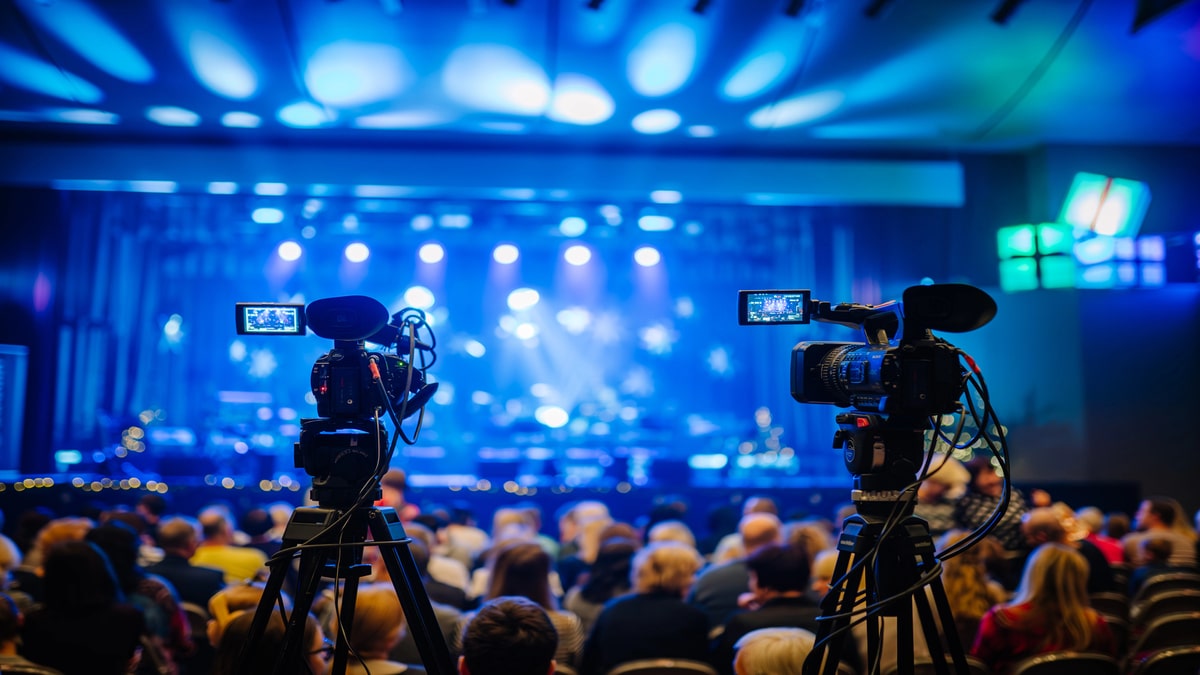
Successful video marketing for live events depends on how well companies balance live video with pre-recorded videos to reach and engage attendees. Businesses that combine both approaches achieve significantly stronger performance metrics and long-term value from their content. Livestreams generate immediate interaction, while edited videos extend the event’s reach long after it ends. Together, they form a unified strategy that maximizes brand exposure and engagement across platforms.
During a conference or corporate gathering, live video connects directly with attendees in real time. Viewers respond to authentic moments such as keynote speeches, product launches, or audience Q&A sessions, creating a sense of participation even for remote viewers. This live engagement boosts credibility and builds stronger emotional connections between brands and their audiences. However, the effectiveness of a live broadcast depends heavily on production quality—clear audio, proper lighting, and stable streaming are essential to maintaining a professional image.
After the event, pre-recorded videos become valuable marketing assets. These edited versions allow companies to refine their message, improve visual presentation, and package the most compelling highlights for ongoing use. They can be repurposed into shorter clips for social media, used in promotional campaigns, or embedded on websites to attract new leads. This dual-use strategy ensures that the energy of live events continues to generate results long after the cameras stop rolling.
By understanding how attendees interact with both live and post-produced content, marketing teams can optimize their conference coverage to deliver measurable business outcomes. Tracking audience engagement metrics—such as view duration, shares, and lead conversions—shows which format drives higher returns. The combination of real-time connection and polished storytelling builds trust, reinforces brand authority, and keeps audiences invested before, during, and after every event.
Real-Time Engagement & Audience Reach
Hosting virtual events through livestream broadcasting allows organizations to connect with audiences across the globe while keeping costs significantly lower than in-person gatherings. Businesses expand their reach and build brand awareness by bringing real-time experiences directly to screens, removing geographical and logistical barriers. Instead of limiting attendance by venue capacity, virtual platforms enable unlimited participation, creating scalable opportunities for engagement and conversion.
Modern live streaming tools provide interactive features that transform passive viewing into active participation. Attendees can join Q&A sessions, respond to polls, and complete surveys during the broadcast, giving hosts valuable insights into audience preferences and emotional responses. This feedback helps refine future content strategies and improve how brands communicate online. Companies that consistently study these engagement patterns gain measurable advantages—knowing when viewers are most engaged, which topics drive the most comments, and what types of visuals hold attention the longest.
To make livestreams more visually appealing, production teams use green screen technology and professional lighting setups to create branded environments that look polished and immersive. These setups not only improve presentation quality but also keep the visual focus aligned with brand identity throughout the event. After the live broadcast ends, editors turn the best segments into highlight reels that recap major moments and extend the event’s lifespan across social media and marketing channels.
Virtual events don’t just reach wider audiences—they help organizations collect real-time data and build lasting relationships through interactive, emotionally engaging content. When combined with strong creative planning, reliable technology, and post-event analysis, livestream broadcasting becomes one of the most cost-effective ways to grow brand awareness and maintain long-term audience loyalty.
Production Quality, Control & Brand Perception
Professional video recording delivers a level of visual and emotional impact that live broadcasts alone cannot achieve. While livestreaming connects with virtual attendees across any time zone in real time, post-produced content refines that raw interaction into a polished piece of brand storytelling. Through structured editing, creative pacing, and enhanced production techniques, businesses transform live moments into cinematic experiences that reflect their core message and brand identity.
Using advanced streaming services and high-end production gear ensures both clarity and consistency in how brands communicate. Motion graphics, dynamic transitions, and smooth visual effects guide audience attention and make complex information easier to understand. These creative tools help maintain engagement even after the live moment has passed, turning ordinary footage into professional marketing assets that continue performing long after the event ends.
Sponsorship opportunities also expand through post-produced videos. Sponsors gain lasting visibility beyond the live event because edited recordings can be repurposed for social media campaigns, website highlights, and promotional reels. Each distribution cycle increases sponsor exposure and strengthens long-term partnerships, creating value for all parties involved.
Well-produced video content influences audience perception and brand authority. Viewers associate visual quality with trust, professionalism, and credibility. By investing in editing, sound design, and motion graphics, organizations show commitment to excellence in every frame. When done right, post-produced videos extend the lifespan of virtual events, improve sponsor satisfaction, and deliver stronger overall results for brand marketing strategies.
Repurposing Content: Maximizing Lifetime Value
Video content recorded during live events becomes a long-term marketing asset when repurposed effectively. Post-produced videos extend the value of original footage by transforming it into multiple usable formats for ongoing digital campaigns. Content marketing analytics reveal that post-produced videos generate 340% more repurposing potential than livestreamed videos because they can be adapted without losing visual or audio quality.
Companies maximize their investment by converting a single post-produced video into social media highlights, internal training resources, and branded promotional materials. On-demand viewing accounts for 73% of all audience engagement, showing that viewers prefer professionally edited content they can watch anytime rather than time-limited live broadcasts. Post-production gives teams the ability to refine presentation quality through color correction, improved sound design, and the addition of captions or graphics tailored to each platform, from YouTube to LinkedIn.
Livestreams create energy and real-time interaction but offer limited editing flexibility once the broadcast ends. The captured video and audio remain as-is, restricting how companies can reuse them for future campaigns. That’s why many organizations adopt hybrid content models. They host livestream events to engage virtual audiences immediately while simultaneously recording the sessions for later post-production editing.
This hybrid method blends real-time engagement with long-term marketing reach. It lets teams remaster event footage into professional-grade content for SEO-driven blogs, email marketing, paid ad campaigns, and evergreen video libraries. By combining live energy with polished storytelling, companies achieve a 215% higher return on investment compared to relying on livestreams alone—building both instant visibility and sustained audience growth across multiple platforms.
Measuring ROI: Metrics, Attribution & Reporting
Knowing which video content strategy delivers the best results depends on accurate, data-driven analysis. Companies must implement detailed measurement systems that track how livestream and recorded video content perform through advanced analytics dashboards. These tools collect measurable data such as viewer engagement rates, watch time, conversion percentages, and lead generation outcomes. Each data point reveals how audiences interact with content and where adjustments can improve future campaigns.
Attribution modeling provides deeper insight into how different video formats influence the customer journey. Livestream analytics capture real-time participation, including attendance trends, peak viewer counts, and chat engagement frequency. Recorded content performance relies on total views, average completion rates, and share velocity across major distribution channels such as YouTube, LinkedIn, and branded company websites. Together, these datasets show which type of video drives stronger engagement and conversion.
Effective reporting systems link viewer behavior directly to business growth. Marketing teams should integrate tracking tools that connect first video interactions with final sales or subscription outcomes. This unified framework supports accurate ROI measurement and smarter allocation of video marketing budgets. Customer journey mapping further clarifies the influence of video at each decision point—whether a prospect watches a product demo, attends a virtual conference, or interacts with a tutorial before purchasing.
Integrating CRM platforms, marketing automation tools, and video hosting analytics builds a complete overview of performance data. This cross-platform visibility allows teams to identify which content formats generate the highest returns, strengthen brand awareness, and accelerate lead conversion. When organizations measure every step of audience engagement, they transform video content from a creative output into a predictable, revenue-producing business strategy.
