
Drone Regulations to Watch in Colorado This Year
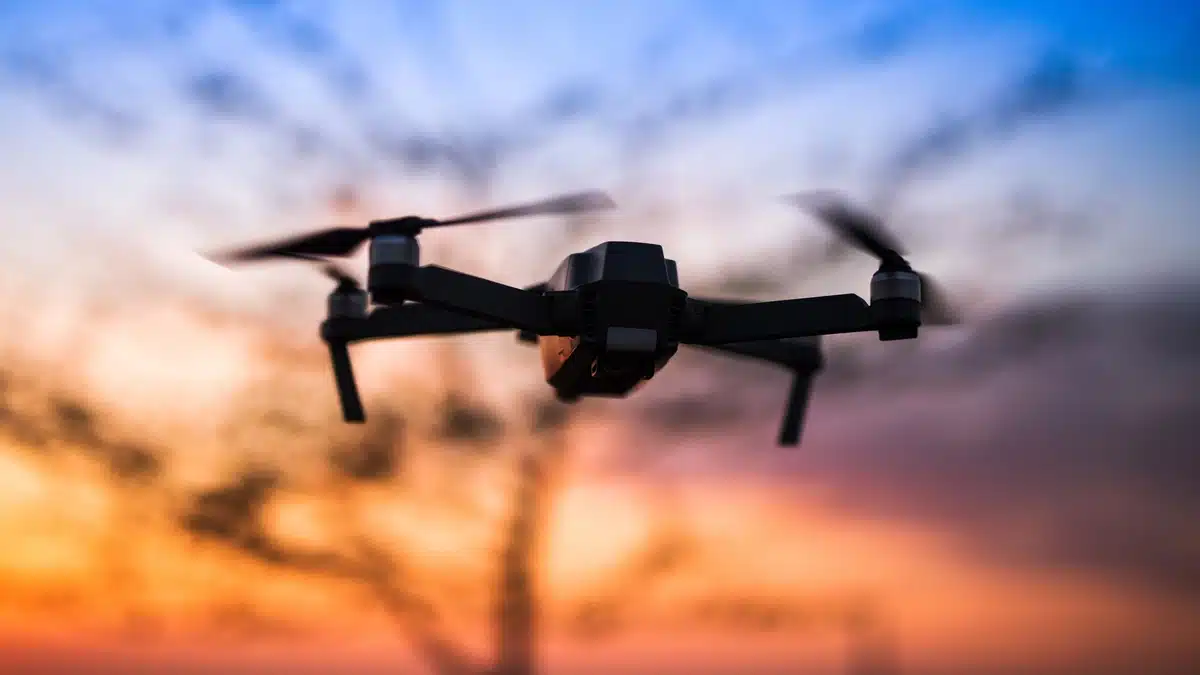
Flying drones for commercial purposes in Colorado requires careful attention to public safety and compliance with federal drone laws. Operators must follow FAA regulations, including maintaining visual line of sight at all times and holding a Part 107 certificate to legally fly for business purposes. Remote ID compliance is mandatory, allowing authorities to track aircraft during operations, and the LAANC system provides clearance for controlled airspace near airports.
Drone pilots working near natural areas, such as Colorado state parks and national parks, need to be especially mindful. Many protected lands prohibit drone flights entirely, and operators must verify local rules before entering these areas. Adhering to federal and state regulations not only avoids fines and legal trouble but also ensures that flights do not endanger wildlife or visitors.
Commercial operators must maintain liability insurance and document written permission from clients before any flight. Keeping proof of registration, certificates, and insurance readily available demonstrates professionalism and prepares operators for any trust test by authorities or clients. Understanding the nuances of city-specific restrictions in places like Denver, Boulder, and Colorado Springs is also critical, as each municipality may enforce additional limitations on drone operations.
Strict compliance with FAA regulations, federal drone laws, and local statutes safeguards both operators and the public, allowing drone businesses to operate responsibly while capturing aerial footage safely and legally.
FAA Updates Impacting Commercial Drone Operations
Commercial drone operations in Colorado, including areas like Vail, require strict adherence to FAA rules for both safety and legality. Operators must understand the regulatory framework that governs unmanned aerial aircraft, ensuring that all flights meet federal and state guidelines.
Remote ID compliance is now mandatory for all drones. This system transmits the drone’s location and the pilot’s information to authorities, acting like a digital license plate that tracks unmanned aircraft in real time. Operators flying commercially must hold remote pilot certification under Part 107, which authorizes specific flight activities such as operations over people, night flights with proper lighting, and missions in controlled airspace with the proper approvals.
Airspace authorization systems like LAANC allow pilots to quickly gain clearance for flights near airports and restricted zones, including Denver International Airport, Colorado Springs Airport, and military installations like Peterson Space Force Base and Buckley Space Force Base. All drones must be registered through the FAA DroneZone portal, and pilots are required to renew their Part 107 certification every 24 months while completing recurrent knowledge testing.
For recreational pilots, completing the recreational UAS safety test ensures basic safety awareness, but commercial operators must go further with training, registration, and compliance with airspace rules. Professionals using drones for photography or videography, whether capturing real estate, weddings, construction sites, or scenic areas around Vail, must maintain proper documentation and certification to legally conduct business operations.
Following these requirements ensures safe, responsible, and legal unmanned aircraft use while protecting operators, clients, and the public.
Colorado-Specific Airspace and Local Restrictions
Colorado drone operators must follow a combination of federal, state, and local rules to ensure safe and legal operations. Adhering to these regulations protects the public, wildlife, and property while maintaining professional standards for drone usage. Here are essential safety tips for flying drones in the state:
Airspace Awareness: Understand the classification of airspace before each flight. Denver International Airport sits in Class B controlled airspace, while regional airports fall under Class D. Both require prior authorization to operate unmanned aircraft systems safely.
Municipal Permissions: Cities like Denver, Boulder, and Colorado Springs restrict takeoffs and landings on public property without written approval. Drone pilots should contact local parks and recreation departments or aviation offices to obtain necessary permits.
State and Federal Lands: Colorado Parks and Wildlife prohibits drone flights in state parks to protect wildlife habitats and visitor experiences. Seasonal restrictions may apply in wildlife management areas, particularly during breeding or migration periods.
Military Zones: Areas near Peterson Space Force Base and Fort Carson require flight coordination at least 72 hours before operations. Some airspace around these facilities is permanently restricted to civilian aircraft.
Noise Compliance: Many municipalities limit drone operations to daytime hours between 8:00 AM and 6:00 PM to reduce disturbances in residential areas. Observing these regulations ensures harmonious operations within communities.
Pre-Flight Verification: Check overlapping federal, state, and local rules before every mission. Regulations can change based on geographic coordinates, so pilots must consult the Colorado Division of Aeronautics, county planning offices, and city aviation coordinators.
Following these safety tips helps commercial and recreational drone operators maintain legal compliance, reduce risk, and perform responsible drone usage across Colorado’s diverse landscapes.
Privacy, Insurance, and Client Consent Considerations
Colorado state law strictly regulates drone surveillance to protect individuals from unwanted observation. The Colorado Revised Statutes § 18-9-132 prohibits capturing photos or video of people in areas where they have a reasonable expectation of privacy, such as fenced yards, private residences, and other personal spaces. Violations can result in substantial financial penalties, making compliance essential for professional drone operators.
Drone photographers and videographers must obtain written consent from clients before any flight. Consent forms should clearly outline how captured images and videos will be used, the duration of data retention, permissions for sharing with third parties, and the rights clients retain over their images. Clear communication ensures both legal protection and client trust.
Insurance is another critical component of responsible drone operations. Liability coverage between $1 million and $2 million per incident is commonly required for business clients. This coverage protects operators against claims involving property damage, personal injury, or privacy violations that may occur during drone flights. Many municipal permits also require insurance certificates naming the city or county as an additional insured party, extending protection to the government entity managing the airspace or property.
Maintaining thorough documentation is essential for legal compliance and professional accountability. Required records include pre-flight waivers for anyone appearing in footage, property owner authorization letters for flights over private land, verification of FAA Part 107 certification, copies of municipal permits when operating in controlled airspace, and insurance certificates that meet project-specific coverage requirements. Proper recordkeeping demonstrates adherence to federal, state, and local regulations while providing operators with legal protection in the event of disputes.
By following these privacy laws, insurance standards, and documentation practices, drone professionals in Colorado ensure safe, lawful, and trustworthy operations for every project.
Preparing Your Drone Business for Future Regulatory Changes
How can drone operators keep their businesses running smoothly when federal and state rules change? Smart drone companies create proactive systems that prepare for new regulations before they take effect.
Watch for New Rules: Drone pilots need to monitor FAA Notice of Proposed Rulemaking documents. These documents outline potential changes to aviation rules, helping business owners anticipate new requirements for commercial flight operations. Colorado state legislators also review and discuss drone laws during legislative sessions, so keeping an eye on local updates is essential for compliance.
Keep Pilot Skills Current: Maintaining Part 107 certification proves a pilot understands aviation safety rules. Refresher courses ensure knowledge stays up-to-date with changes in airspace rules and flight limits. The FAA updates requirements as drone technology advances and airspace becomes busier, making continuous learning critical for safe and legal operations.
Build Strong Work Procedures: Standard Operating Procedures guide teams on how to fly safely and legally. Companies that develop procedures beyond basic legal requirements create flexibility to adapt when rules become stricter. Think of these SOPs as your company’s flight playbook, ensuring consistent, professional operations across all teams.
Join Drone Industry Groups: Trade associations provide early information about upcoming regulations and advocate for drone businesses with lawmakers. Members gain insights on rule changes faster than operators working alone, giving companies a competitive edge in compliance.
Keep Good Records: Document every flight, including location, time, and purpose. Track equipment maintenance and repairs, and retain copies of training certificates and insurance policies. These records demonstrate to government inspectors that your business follows regulations and maintains operational accountability.
Adopt New Technology Early: Remote ID systems broadcast drone location and operator information, while advanced detection equipment helps identify obstacles and other aircraft. Implementing these tools before deadlines avoids rushed upgrades and ensures smoother integration into daily operations.
Turn Rules into Business Strength: Companies that proactively adapt to regulations operate more efficiently and gain trust with clients and government agencies. By staying ahead of compliance requirements, Colorado drone businesses become more professional, competitive, and prepared for long-term success.
