
Capture on a Tight Budget: 5 Ways to Reduce Cost Without Losing Quality
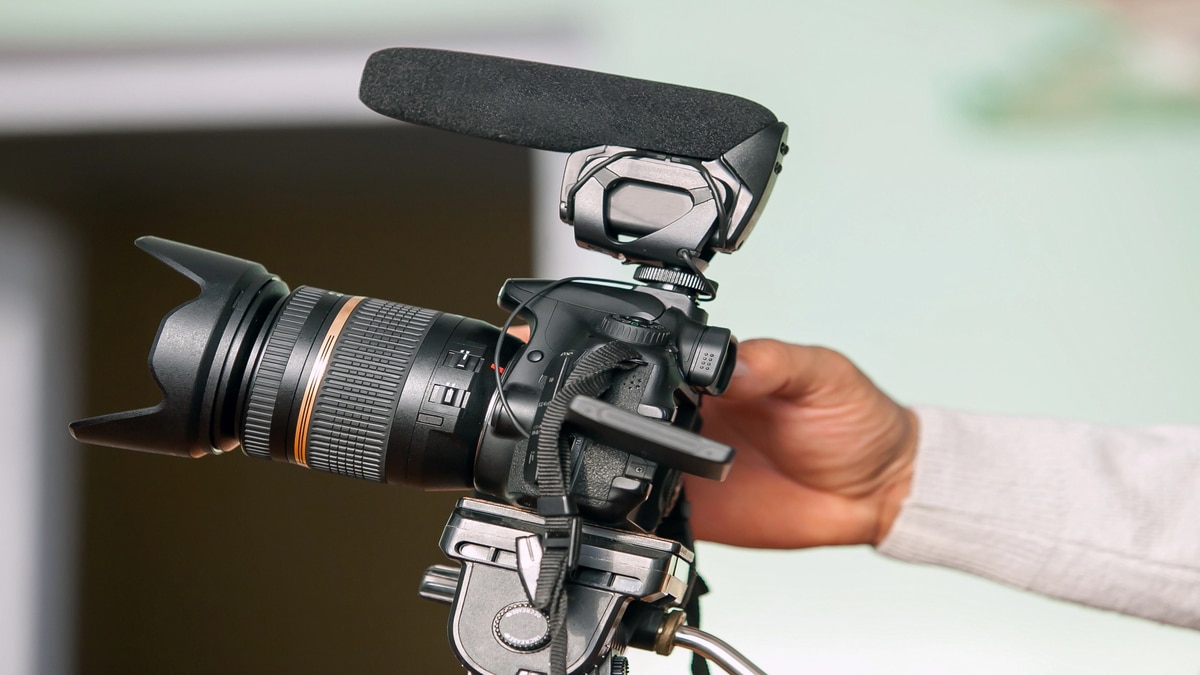
A skilled photographer understands that wedding photography is not just about capturing images but about preserving emotions that last a lifetime. Every frame tells a story—one that reflects the couple’s journey, their personality, and the moments that make their day unique. Choosing the right professional for this role is an investment, not an expense, because the results become priceless heirlooms shared across generations. The value lies not only in the images but in the artistry, timing, and experience that turn fleeting moments into timeless memories.
A photographer’s portfolio reveals more than technical skill; it showcases consistency, creativity, and the ability to adapt to different lighting, venues, and moods. Couples should review portfolios closely to ensure the photographer’s style aligns with their vision, whether it’s classic elegance, documentary realism, or cinematic flair. The best professionals balance aesthetics and authenticity, ensuring every photo feels natural yet beautifully composed.
Wedding photography pricing often varies depending on coverage hours, location, and deliverables, but transparent communication about prices helps couples make informed decisions. Some packages include digital galleries, albums, and physical prints that enhance the emotional connection beyond screens. High-quality prints transform photographs into tangible memories—art pieces that adorn walls, coffee tables, and family albums for decades.
Investing in professional wedding photography guarantees more than beautiful pictures; it ensures peace of mind. When couples trust their photographer, they can focus on the joy of the day, knowing that every laugh, tear, and dance will be captured with care. The combination of experience, artistry, and reliability makes this investment one of the most meaningful choices a couple can make on their wedding journey.
Plan Around High-Impact Shots
Videography depends on intentional composition, where every shot serves both storytelling and emotion. Professional filmmakers understand that the most powerful visuals come from thoughtful framing and balance—not from expensive gear alone. Each image should guide the viewer’s eye naturally, highlighting expressions, details, and atmosphere that deepen the connection. Good composition ensures that even simple scenes feel cinematic, while poor framing can weaken the emotional tone, no matter how advanced the equipment.
When working within strict budgeting limits, every decision counts. Teams evaluate which shots deserve the most resources and which can rely on natural light, handheld movement, or existing locations. Smart budgeting turns constraints into creative opportunities. Directors often collaborate with a local photographer or videographer who knows the area well, ensuring smooth logistics and access to hidden, visually rich settings that elevate production value without additional cost.
Sometimes, a trusted family member joins the creative process—helping with behind-the-scenes coordination, setup, or props that add personality to the scene. Simple props like flowers, books, or fabrics enhance composition, add texture, and tell part of the story without increasing spending. Thoughtful use of what’s already available brings authenticity and emotional warmth to the project.
When the filming ends, the storytelling continues through presentation. A final edit or printed photo album transforms moments into lasting memories that audiences can revisit anytime. Whether for weddings, brand storytelling, or personal projects, the goal remains the same: create visuals that feel real, look professional, and stay within reach. Strategic planning, composition mastery, and practical budgeting form the foundation of professional videography that balances creativity and cost with lasting impact.
Use Small, Skilled Crews & Multi-Tasking Roles
Efficient video production depends on how well teams balance creativity with resource management. Small crew structures cut labor costs by 40-60% compared to traditional film production models, allowing companies to maintain high-quality results without overextending budgets. This approach relies on planned role consolidation, where professionals take on multiple responsibilities to streamline workflow. A Director of Photography often operates the camera directly, while producers handle administrative duties and production coordination. The outcome is a more agile team that reduces business expenses across departments while preserving technical precision and creative control.
Skilled generalists bring more value than narrowly specialized roles when working under tight budgets. A gaffer who also handles grip work eliminates duplicate positions while keeping lighting consistent and accurate. Likewise, a sound recordist capable of managing both boom operation and audio mixing reduces the need for additional crew members. Each person contributes broader expertise, strengthening the overall production process without sacrificing output quality.
Modern production technology supports these lean teams. Wireless monitoring systems give multiple crew members access to camera feeds in real time, improving collaboration and reducing setup delays. Remote camera controls make it possible to adjust exposure, focus, and framing without physically touching the equipment—ideal for small sets or fast-paced shoots. These tools let compact teams achieve the same level of sophistication as large-scale productions.
Smart crew selection prioritizes versatility and adaptability. A production assistant who understands lighting can assist during setup, while an editor skilled in color grading can refine footage without outsourcing. Each cross-functional role shortens the gap between production stages, creating smoother transitions from shoot to post-production.
Budget-conscious productions thrive when every team member understands the relationship between departments. Knowing how camera settings affect editing, or how clean audio impacts final mixing, prevents costly rework and improves workflow integration. By building small, skilled teams that combine technical expertise and creative flexibility, productions deliver professional results on time, on budget, and with uncompromised quality.
Rent Gear Strategically & Embrace Hybrid Tech
Camera and lens equipment lose 30-70% of their value within the first two years after purchase, making ownership a costly long-term decision for most production companies. Renting eliminates this depreciation issue, allowing teams to access top-tier technology without locking up capital funds. Each production can choose gear tailored to its unique needs—whether it’s a cinematic short film, branded content, or a live event—ensuring maximum creative flexibility with minimal financial risk.
Rental providers such as Lensrentals, BorrowLenses, and local camera houses offer bundled packages designed for convenience and savings. These bundles often include camera bodies, prime and zoom lenses, and essential support gear like tripods, sliders, and monitors. By booking for a week or longer, production teams typically pay lower daily rates, cutting overall rental expenses while securing professional-grade tools.
Mirrorless camera systems from Sony, Canon, Panasonic, and Nikon deliver excellent results for both photography and videography. These hybrid cameras combine performance with portability, making them ideal for small crews or solo operators. Full-frame models like the Sony A7S III and Canon R5 capture cinematic image quality that rivals dedicated cinema cameras but at a fraction of the rental cost.
In-body image stabilization, or IBIS, further reduces the need for expensive gimbals and steadicam setups. With proper technique, handheld footage remains smooth and stable, even in dynamic shooting environments. Many of these cameras also support interchangeable lens mounts through adapters, allowing filmmakers to use vintage lenses, cinema primes, or modern autofocus glass without being limited to one manufacturer’s lens ecosystem.
Smart scheduling maximizes rental value. Picking up gear on a Wednesday or Thursday and returning it Monday morning gives production teams four to five active shooting days while paying for only two or three rental days, thanks to weekend pricing policies.
For protection, existing production insurance policies can extend coverage to rental gear at a lower cost than purchasing coverage directly from rental houses. Providers such as State Farm, Athos Insurance, and Front Row Insurance offer add-on riders that save 8-12% in daily fees. This strategy gives production teams full peace of mind while keeping expenses lean—proof that professional-quality filmmaking doesn’t always require full ownership, just smart management of available resources.
Repurpose Content & Optimize Shoot Days
Production teams can dramatically increase output and maximize return on investment by filming in multiple aspect ratios during a single shoot. Capturing footage simultaneously in 16:9, 9:16, and 1:1 formats ensures that every scene can be used across a variety of platforms—from television broadcasts and YouTube channels to Instagram stories, TikTok posts, and website landing pages. This efficient approach multiplies usable content without increasing filming costs, giving marketing departments a broader library of visuals to support campaigns long after the initial production day.
Batch processing software further enhances efficiency by automating the editing workflow. Editors save valuable hours through preset templates that handle tasks like format conversion, color correction, and sound leveling. These systems reduce human error and accelerate delivery timelines, ensuring high-quality content reaches audiences faster while keeping labor expenses low.
Strategic location planning also plays a critical role in maintaining a cost-effective production. Directors and producers achieve better results by grouping scenes according to filming locations rather than following the script order. Shooting all coffee shop scenes in one session before moving to an office or outdoor setup eliminates unnecessary travel time and reduces vehicle fuel costs, transportation fees, and overtime wages for camera operators, sound technicians, and lighting crews. When shot lists are organized by location instead of narrative sequence, teams move equipment less frequently and complete production days more efficiently.
Capturing additional footage during the main shoot provides long-term benefits. Recording B-roll—such as city skylines, office activity, product close-ups, or natural gestures like coffee being poured or hands typing on keyboards—builds a library of flexible material for future projects. Editors can repurpose this footage for social media updates, internal training videos, or new promotional campaigns, extending the value of each filming day for months.
Time-block scheduling ensures that every hour of production delivers results. For instance, when camera crews film dialogue scenes from 9 AM to 11 AM, lighting teams can simultaneously prepare the next location, preventing downtime between setups. Organized footage labeling by scene number, location name, and take number makes post-production smoother, allowing editors to locate and assemble clips quickly.
By combining multi-aspect filming, efficient location grouping, extra B-roll capture, and structured scheduling, production teams keep both people and equipment fully productive. This system maintains professional visual quality while controlling costs, proving that strategic planning—not just big budgets—creates successful, high-performing video content.
Post-Production Efficiency: Templates, Editors & Stock
Modern video production thrives on efficiency, and most editing software now includes ready-made templates that cut post-production time by 40-60% compared to building every project from scratch. Programs such as Adobe Premiere Pro with its Motion Graphics Templates and Blackmagic DaVinci Resolve with its Power Grades demonstrate how digital tools transform editing speed without compromising visual quality. These pre-built assets allow editors to focus on creative storytelling instead of repetitive technical setup, improving both workflow and consistency across projects.
Producers who track their template collections, stock footage licenses, and editor costs in organized spreadsheets gain stronger control over spending. Clear data visibility ensures that every dollar contributes directly to production value. Hiring freelance video editors who charge $50-75 per hour can yield higher-quality work than large studio editors billing $150 per hour—especially when producers provide detailed shot lists, mood boards, and editing guidelines. Clear direction reduces revision cycles and improves final output.
Stock footage subscriptions from Artgrid or Storyblocks offer affordable access to professional visuals at $15-30 per month, eliminating the need to spend $500 or more on custom filming for filler shots. This cost-saving measure extends creative flexibility by supplying editors with versatile background footage, transition sequences, and establishing shots that enhance production polish without additional shoot days.
Technical precision further improves through standardized color grading LUTs, lower-third graphic templates, and audio mixing presets. These tools reduce revision rounds from five down to two, saving time and labor while keeping visual and audio elements consistent across videos. Organized project files with strict naming conventions and proxy workflows—smaller, temporary video files used during editing—to help prevent software crashes, missing media issues, and time-consuming relinks. This level of file management safeguards both efficiency and data integrity throughout the post-production process.
Each part of this ecosystem plays a defined role. Video editing platforms like Premiere Pro and DaVinci Resolve form the creative core. Post-production assets such as Motion Graphics Templates, Power Grades, LUTs, and lower-thirds act as reusable design tools. Stock media providers like Artgrid and Storyblocks supply visual diversity, while freelance editors bring flexibility and cost control. Workflow optimization tools—including proxy editing and asset libraries—ensure consistent delivery under tight schedules.
By understanding the connection between hourly labor costs, revision cycles, and pre-built digital assets, producers make smarter financial and creative decisions. Effective template use and resource management don’t just save time—they shape a sustainable, high-performing video production strategy that balances professional quality with real-world budget efficiency.
